
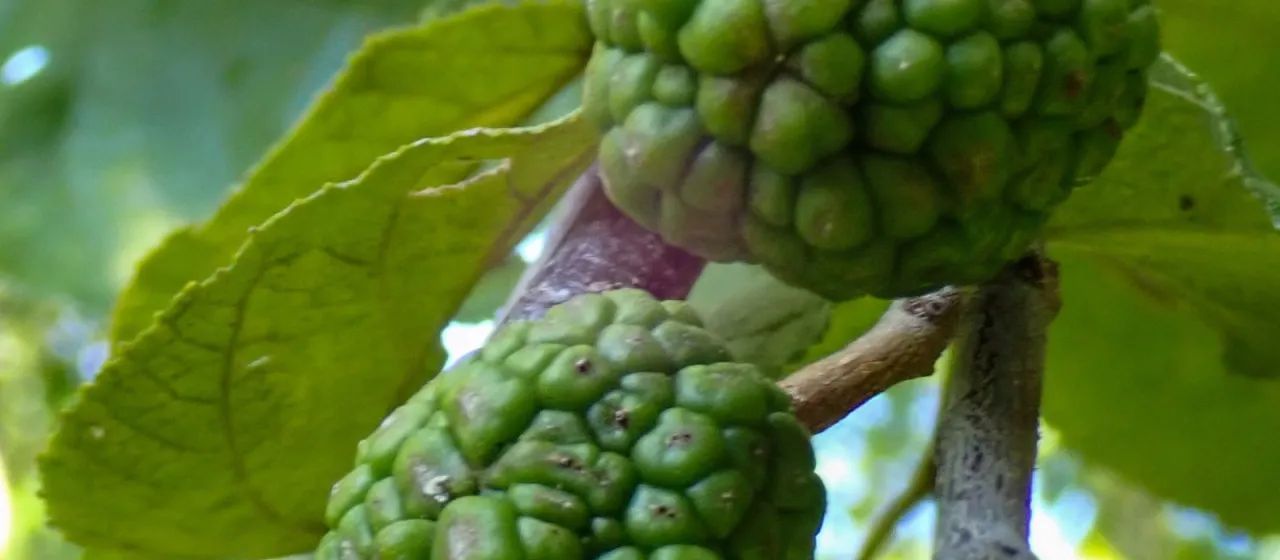
Description
West Indian elm (Guazuma ulmifolia) is a prominent tree species belonging to the Malvaceae family. Recognized for its rapid growth and versatility, it serves as a cornerstone in various tropical agroforestry systems, contributing to both soil stabilization and livestock nutrition.
Native to the tropical regions of the Americas, ranging from Mexico through Central and South America, this species has naturalized in many other tropical parts of the globe. Its ability to thrive in diverse ecological niches makes it an essential component for reforestation projects in degraded tropical landscapes.
Botanically, it is a medium-sized deciduous tree reaching heights of up to 20 meters. Its foliage consists of serrated leaves resembling those of the elm tree, while its reproductive phase produces woody, spherical fruits containing numerous small seeds. These trees are known for their sturdy, deep root systems that provide stability against erosion.
Regarding cultivation, Guazuma ulmifolia prefers sunny exposures and well-drained soils, showing remarkable resilience to seasonal drought. Agricultural management typically involves pruning to encourage dense foliage production and protect against localized pests, such as leaf-eating insects, during the younger growth stages.
The tree's economic value is multifaceted. Its leaves and pods are widely utilized as high-quality protein-rich forage for cattle and goats, particularly during dry seasons when other fodder is scarce. Additionally, its wood is sought after for carpentry, furniture production, and fuel, while various extracts are studied for their therapeutic properties in traditional medicine.
- Excellent protein source for tropical livestock feed.
- Valuable timber for local artisanal and construction needs.
- High tolerance for varied soil types and drought conditions.
- Integral role in soil conservation and ecosystem services.