
Description
Guizotia scabra is a notable plant species within the Asteraceae family. Known for its robust growth habit and ecological versatility, it is a close relative of the more commonly cultivated Niger seed (Guizotia abyssinica), sharing many of its beneficial agricultural and botanical characteristics.
The plant is native to the highlands of East and Central Africa. It has evolved to thrive in diverse environmental conditions ranging from tropical savanna climates to high-altitude mountainous terrain. This natural distribution has made it a reliable crop for local agricultural systems in its native range.
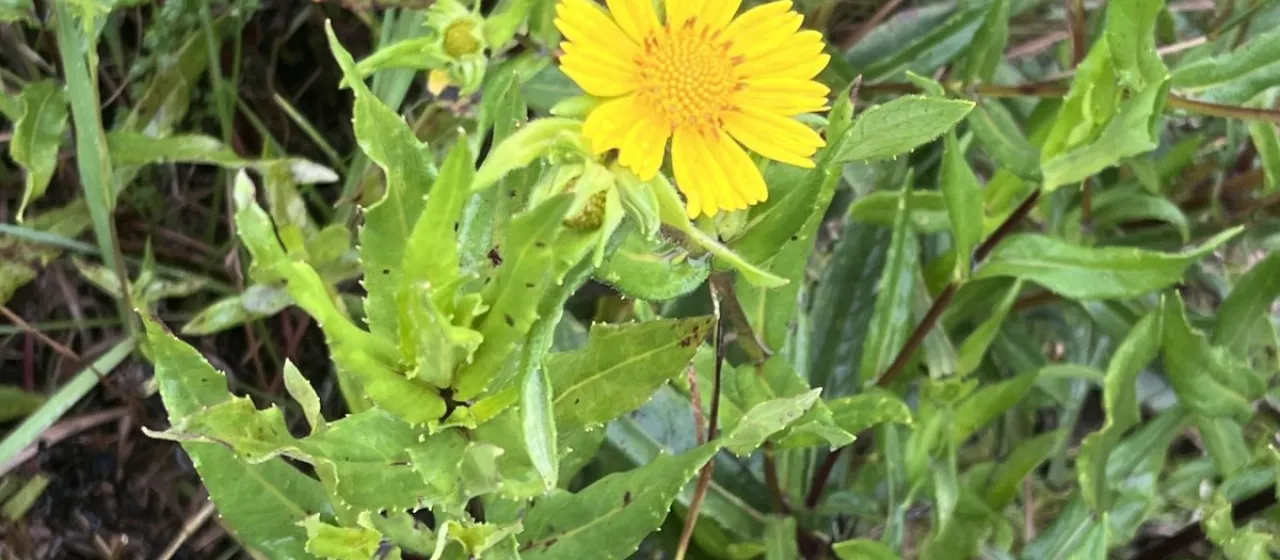
Botanically, Guizotia scabra is characterized by its coarse, hairy stems and leaves, which provide a degree of protection against herbivory and desiccation. The plant produces vibrant yellow composite flower heads typical of the daisy family, which are highly attractive to pollinators, particularly bees.
Cultivation of this species requires well-drained, fertile to moderately fertile soils. It prefers full sunlight and performs best in regions with consistent rainfall during the vegetative phase. While it is hardy, farmers should manage weed competition during the early establishment phase to ensure high yield potential.
The economic value of Guizotia scabra lies in its oil-rich seeds, which can be processed into edible or industrial oils. Additionally, the plant is valued for its potential as a green manure and forage crop, particularly in sustainable farming practices where low-input crops are required to enrich the soil.
- Rich source of seed oil.
- Excellent pollinator support.
- Potential for biomass production.
- Resilience in diverse soil types.