
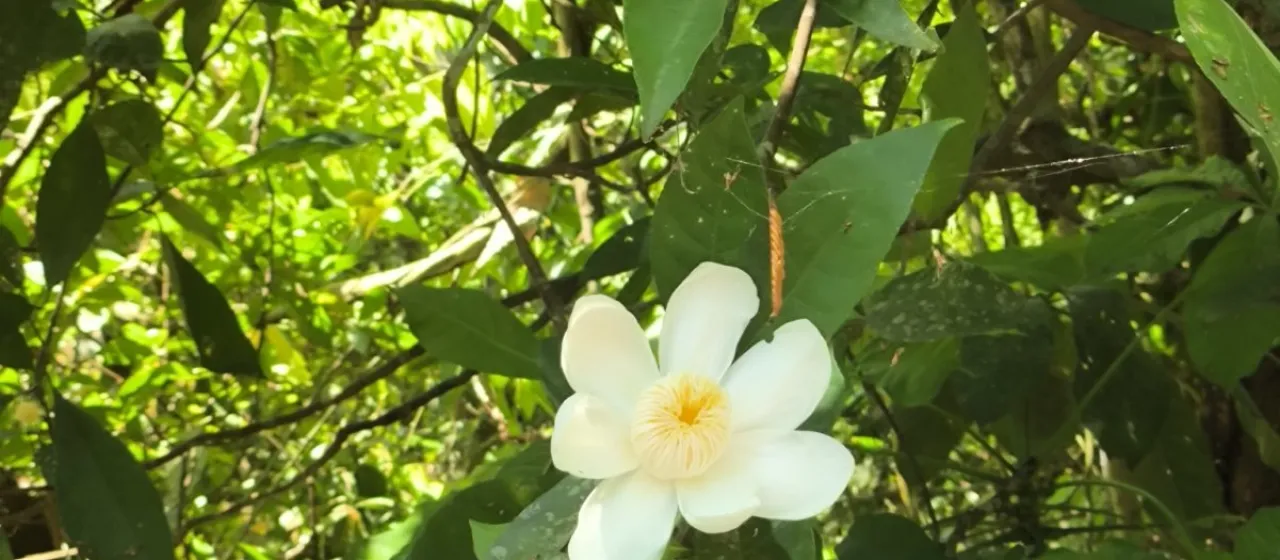
Description
Gustavia hexapetala is an evergreen tree species belonging to the family Lecythidaceae. Known for its distinct botanical structure and ecological adaptability, it stands as a significant representative of the tropical flora found in South American rainforests.
The plant originates from the tropical regions of South America, specifically thriving within the Amazon basin and the Guianas. Its natural habitat is characterized by a stable tropical climate, high annual precipitation, and fertile soils rich in organic matter, where it often grows as part of the forest understory.
Botanically, the species is recognized by its large, coriaceous leaves clustered at the branch tips and its conspicuous flowers. The flowers are notable for their numerous stamens, which are often fused at the base, creating a radial symmetry that plays a crucial role in pollination by local bees and other insects.
Agricultural cultivation requires specific attention to soil moisture and shade management. Gustavia hexapetala demands well-drained, nutrient-rich soil to prevent root asphyxiation. While it can withstand periods of light stress, consistent moisture levels and protection from harsh direct sunlight during the establishment phase are essential for robust growth.
In terms of хозяйственного usage, the tree is often utilized in agroforestry projects for soil stabilization and canopy diversification. Wood from this species is sometimes harvested for light construction work, though it is not a primary timber crop. Pests such as wood-boring beetles and fungal pathogens represent the primary threats, requiring monitoring and sound plantation hygiene to maintain plant health.