
Description
Gymnarrhena micrantha is a specialized herbaceous plant belonging to the Asteraceae family, uniquely adapted to the harsh environments of the deserts of North Africa and the Middle East. It serves as a prime example of extreme environmental adaptation, specifically in how it manages its reproductive cycle during limited moisture availability.
The native habitat of this plant includes arid and hyper-arid zones where rainfall is scarce and highly unpredictable. Due to its evolutionary path, the plant does not require high-fertility soils; instead, it thrives in stony, sandy, or saline soils that are typically considered marginal for traditional agriculture, making it a subject of interest for desert land restoration.
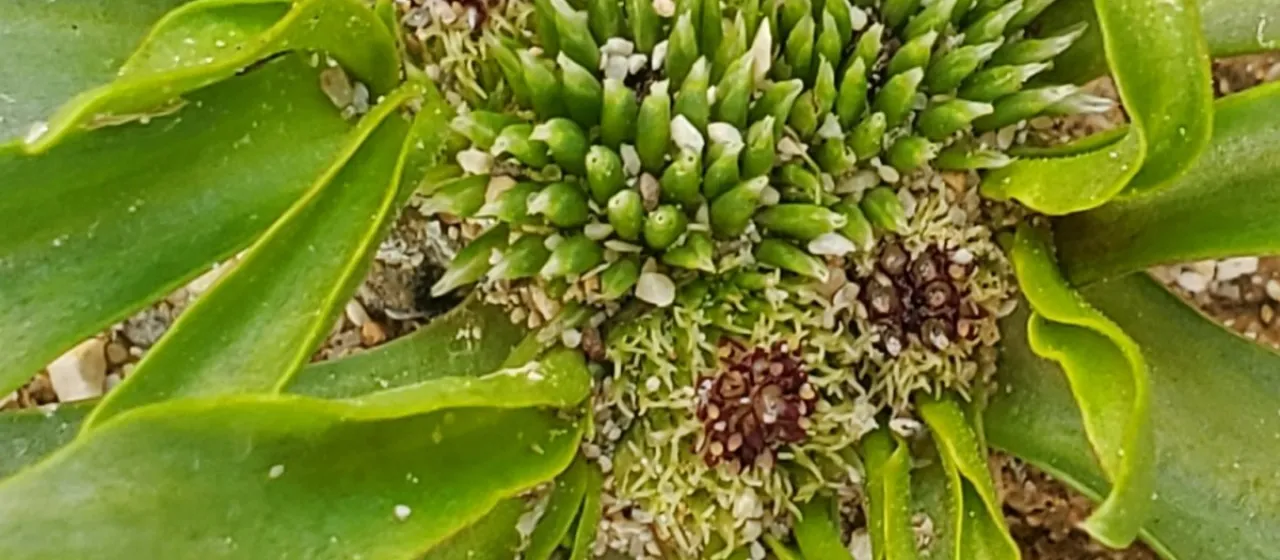
A distinctive botanical feature of Gymnarrhena micrantha is its heterocarpy and cleistogamy. The plant produces two types of flower heads: standard aerial heads for cross-pollination during wet periods, and specialized underground or near-ground heads that produce seeds regardless of external pollinators. This ensures the species persists even when environmental conditions prevent the full maturation of aerial flowers.
In terms of cultivation and agricultural management, the plant requires essentially no human intervention. Its growth cycle is perfectly synchronized with the brief pulses of desert rainfall. For those interested in utilizing the plant for soil stabilization or forage, the primary requirement is maintaining the integrity of the desert crust, as deep tillage can significantly disrupt its natural propagation cycles.
The economic potential of this species lies in its ability to provide ground cover and limited forage in extreme conditions. Major concerns regarding its health include susceptibility to soil-borne fungi if subjected to excessive, prolonged moisture, which is atypical for its desert habitat. Common pests include various desert-dwelling insects, though significant infestations are rare due to the plant's scattered and hardy nature.
- Family: Asteraceae
- Adaptive Strategy: Heterocarpy and Cleistogamy
- Main Habitat: Arid deserts of North Africa and Middle East
- Soil Preference: Sandy, stony, and arid soils