
Description
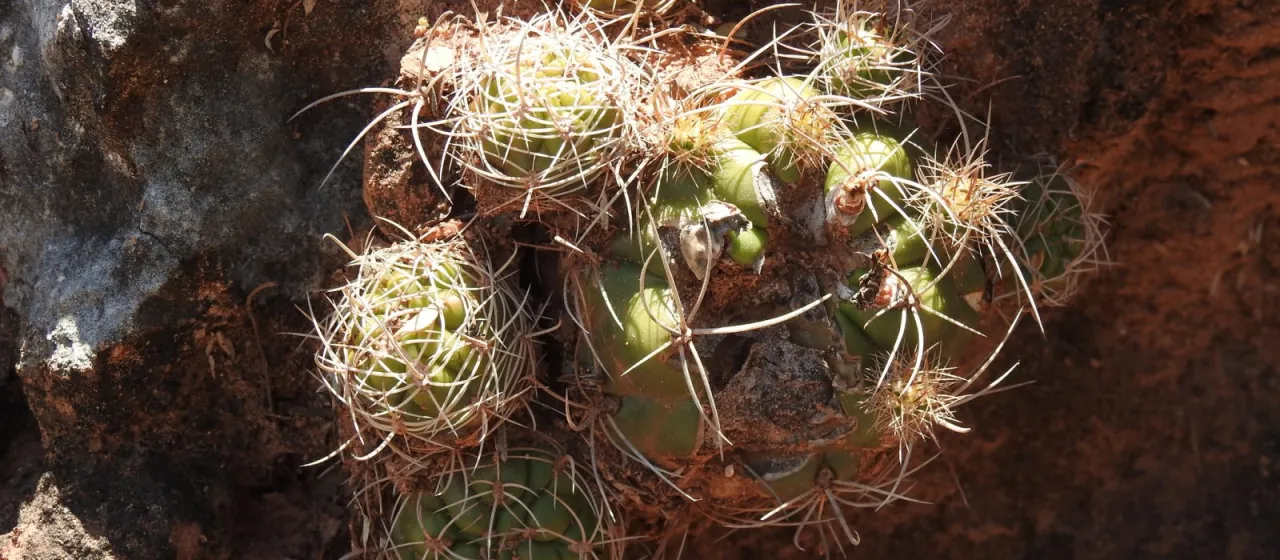
Gymnocalycium neocumingii is a perennial succulent plant belonging to the Cactaceae family. It is a highly valued species among cactus enthusiasts, primarily recognized for its distinctive spherical shape and unique floral characteristics that set it apart from other members of the genus.
The plant originates from the high-altitude regions of Bolivia. In its natural habitat, it thrives on rocky slopes, enduring significant temperature fluctuations and intense ultraviolet exposure. These environmental conditions have adapted the plant to survive in lean, inorganic soils with limited moisture availability.
Botanically, the species is characterized by a compact, ribbed stem adorned with robust spines. One of the most attractive features of this cactus is its bloom; unlike many other Gymnocalycium species that produce white or pink flowers, this variety typically produces vivid yellow or cream-colored blossoms during the summer growth season.
Successful cultivation requires a well-draining, gritty soil mix with excellent porosity to prevent root rot. It demands high light intensity throughout the year. During the active growing period, watering should be thorough but infrequent, allowing the substrate to dry out completely between sessions to mimic the plant's natural arid environment.
The primary use of this species is in ornamental horticulture and botanical collections. Growers must monitor the plant for common pests such as spider mites and mealybugs, which are the most frequent threats. Ensuring proper airflow and adequate winter dormancy periods are critical to maintaining the plant's health and encouraging future flowering cycles.