Limestone Fern
Gymnocarpium robertianum
Description
The Limestone Fern (Gymnocarpium robertianum) is a perennial herbaceous plant belonging to the Cystopteridaceae family. While not a conventional crop in mass agriculture, it is a significant species in horticultural and nursery trades, specifically valued for its utility in shade gardens and specialized landscape design.
This fern is native to the temperate regions of the Northern Hemisphere, spanning across Europe and parts of North America. Its natural habitat is characterized by calcareous soils, rocky screes, and cool, shaded woodland areas. These environmental origins define its unique ecological requirements when grown in a managed landscape.
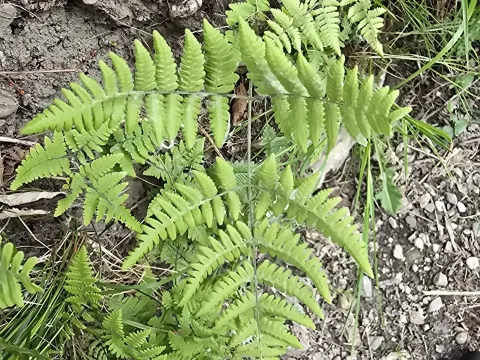
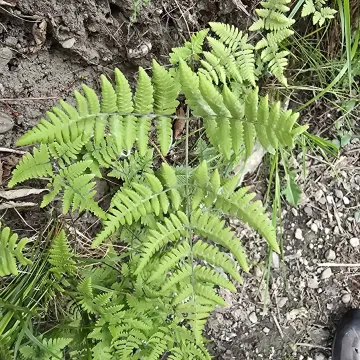
Botanically, the plant is distinguished by a creeping rhizome and delicate, triangular, tri-pinnate fronds that reach heights of approximately 35 centimeters. The foliage typically features a slight glandular texture, providing a distinct appearance. Propagation is primarily achieved through division of the rhizomes or, less commonly, via spores in controlled nursery conditions.
Successful cultivation relies on mimicking its natural environment: well-drained, lime-rich soil is essential to prevent root decay. The fern thrives in partial to full shade and is intolerant of prolonged exposure to high heat or stagnant water. Cultural management involves consistent monitoring of soil moisture and the addition of mulch to maintain a cool root zone.
Primary horticultural uses include planting in rock gardens, woodland-style displays, or as a specialty groundcover in shaded rockeries. While relatively hardy, the species can be susceptible to typical garden pests like slugs and snails. Furthermore, overwatering can trigger fungal pathogens, making proper drainage the most critical aspect of its care protocol.
Photo gallery