
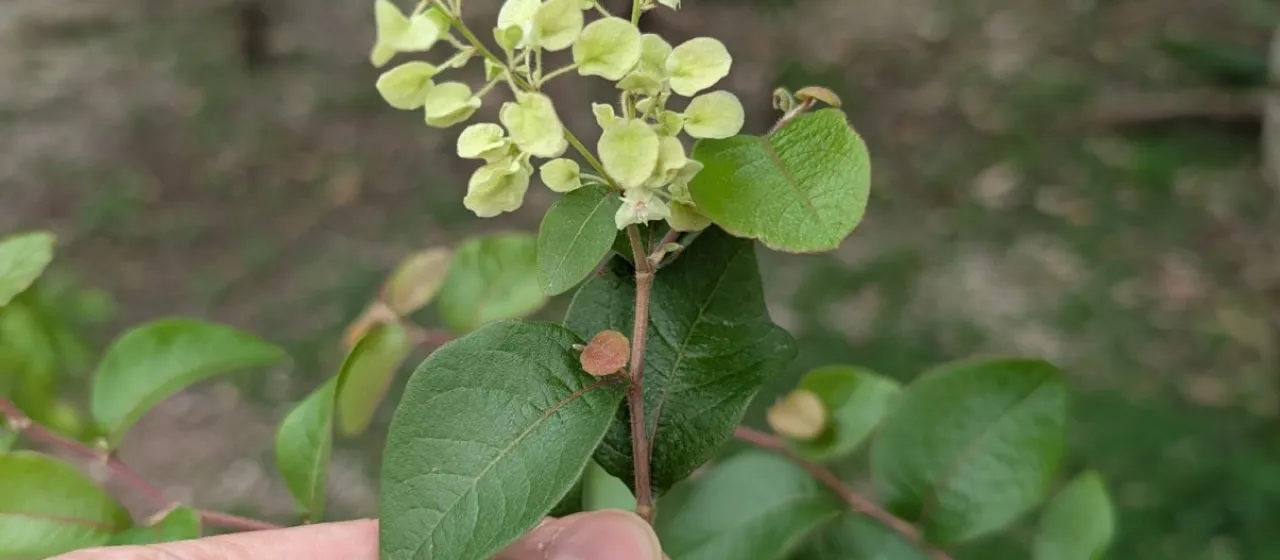
Description
Gymnopodium floribundum is a woody plant species belonging to the Polygonaceae family. Unlike many other members of this family, which are typically herbaceous, this species manifests as a robust tree or a tall shrub, demonstrating a successful evolutionary path within tropical forest ecosystems.
The plant is native to the tropical regions of Central America, with a significant presence in Mexico and the Caribbean islands. It thrives in dry tropical forests, where it has adapted to fluctuating precipitation patterns. Its natural range serves as a testament to its resilience in challenging environmental conditions, particularly regarding soil moisture availability.
Botanically, the plant is known for its dense foliage and highly prolific flowering phase, which makes it easily recognizable during the blooming season. The leaves are generally coriaceous, providing resistance to water loss, while the flower structure is optimized to attract a wide range of pollinating insects, essential for the ecosystem balance.
Cultivation requirements for Gymnopodium floribundum focus on well-draining soils and high solar radiation exposure. It does not tolerate waterlogging, as its root system requires adequate aeration. In agricultural settings, it is best suited for climates without frost, as temperature drops can significantly impair its physiological processes and growth rate.
In terms of agricultural and economic utility, this species is highly valued as a honey-producing plant. Beekeepers often encourage its growth near apiaries to boost nectar production. Furthermore, the tree’s wood is utilized in local construction and traditional crafts. Due to its hardiness, it is also increasingly being considered for agroforestry projects aiming to restore biodiversity in degraded tropical areas.