
Description
Gymnospermium odessanum is a rare perennial herbaceous plant belonging to the Berberidaceae family. It is recognized as an ephemeroid species, meaning it completes its life cycle during the brief early spring period before the onset of dry summer conditions, which allows it to thrive in specific climatic niches.
The plant is native to the Northern Black Sea region. Its natural range is quite limited, typically found on slopes, in ravines, and within shrubbery ecosystems. Because of its localized distribution and vulnerability to environmental changes, it is classified as a threatened species in its native range, requiring strict conservation efforts.
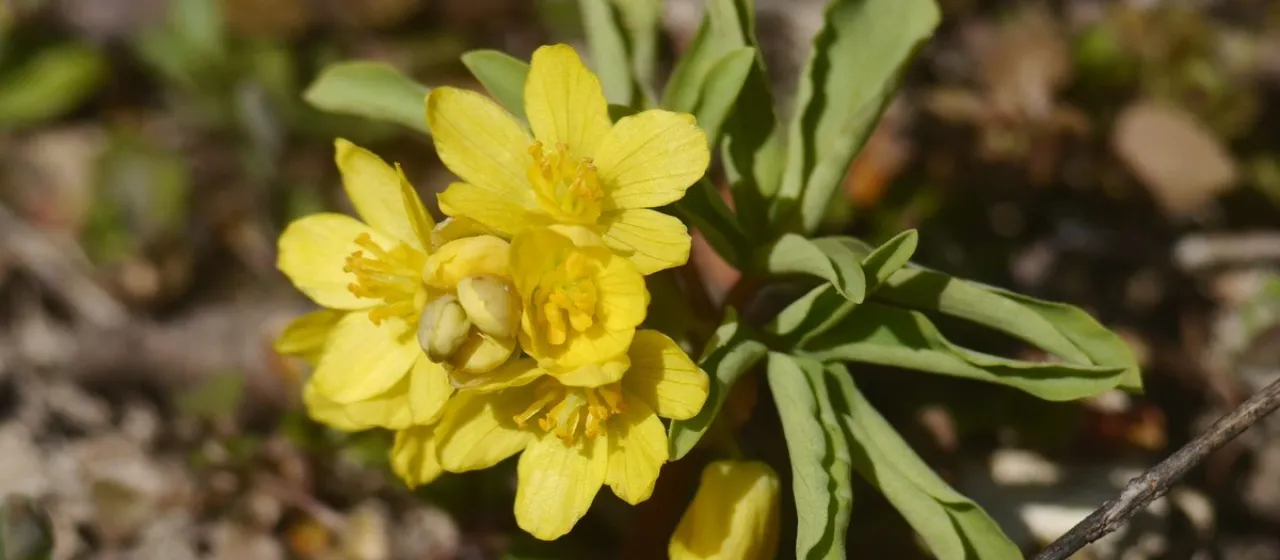
From a botanical standpoint, the plant features a distinct tuberous rhizome that serves as a nutrient storage organ. In the early spring, it produces dissected leaves and a stalk with small, yellow flowers that are highly adapted to early pollinator activity. The structure of its reproductive organs follows the classic patterns of the barberry family.
There are no established agricultural techniques for this species, as it is not a cultivated crop. In its natural habitat, the plant requires protection from soil disturbance, livestock grazing, and land development. Any agricultural activity near its growth sites is typically prohibited to ensure the survival of the remaining local populations.
Regarding economic usage, the plant holds no agricultural value but is of significant scientific and ecological importance. It serves as an indicator species for biodiversity monitoring and a critical component of local natural heritage. Research focuses on habitat preservation and understanding its reproductive biology rather than commercial exploitation.
- Family: Berberidaceae
- Growth Habit: Perennial ephemeroid
- Distribution: Northern Black Sea region
- Status: Vulnerable/Rare
- Main Characteristic: Tuberous root system