Gymnosporia diversifolia
Gymnosporia diversifolia Maxim.
Description
Gymnosporia diversifolia is a woody perennial species belonging to the Celastraceae family. Often taxonomically associated with the genus Maytenus, this plant is recognized for its structural versatility and adaptability. It serves as a significant botanical representative of the temperate to subtropical flora in Eastern Asia.
The native distribution of this culture is primarily concentrated in regions with stable, warm climates. It is typically found in diverse environments such as thickets, open woodlands, and forest edges. Its ability to colonize various soil types within these zones demonstrates the high ecological plasticity of the species.
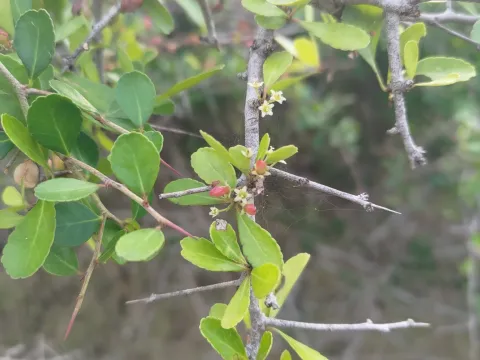
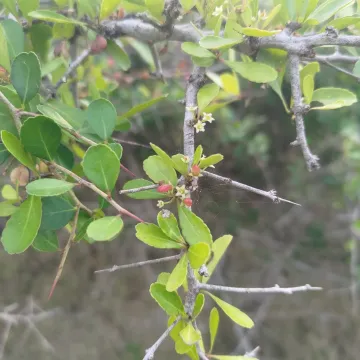
Botanically, the plant is characterized by its distinct leaf polymorphism, which serves as a key identifying feature. The shrubs are often armed with thorns, which are modified shoots, providing protection against herbivory. The leaves are typically leathery and durable, designed to withstand periods of limited water availability and high solar radiation.
Agronomical management requires well-drained, fertile soil, ideally with a slightly acidic to neutral pH profile. Proper site selection is crucial for optimal growth, emphasizing the need for full sun exposure to encourage dense branching. Consistent moisture levels during the establishment phase are recommended, though the plant exhibits notable drought tolerance once fully mature.
In terms of practical usage, Gymnosporia diversifolia is highly valued in ornamental landscaping and horticulture for its dense, evergreen-like structure. It is frequently utilized as a specimen plant or for the formation of secure, aesthetic borders. Growers should monitor for common pests including scale insects and mites, while ensuring adequate air circulation to prevent foliage diseases common to the Celastraceae family.
Photo gallery