
Description
Gynocardia odorata is a perennial evergreen tree belonging to the family Achariaceae. This species is native to the tropical regions of Southeast Asia, specifically found in the dense, humid forests of India, Nepal, and Myanmar. It is traditionally valued for its oil-rich seeds, which hold significant potential in both botanical and pharmacological studies.
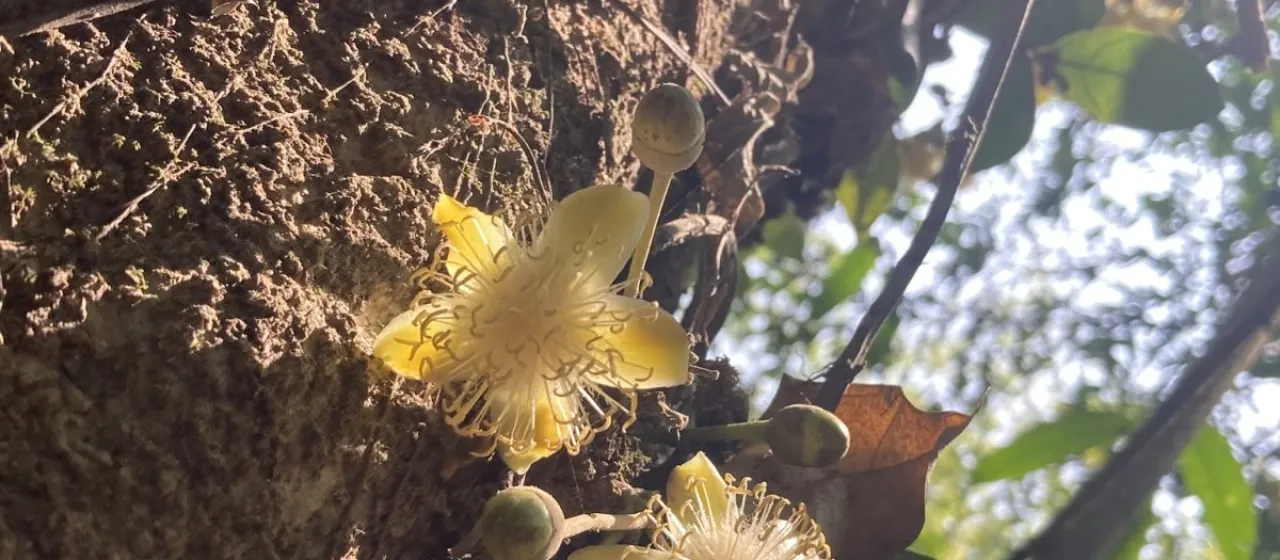
The botanical structure of the tree is characterized by a moderate height, smooth bark, and alternate, lanceolate leaves. The most distinct feature is its flowers, which are known for their strong, sweet, and characteristic fragrance, leading to the name odorata. The fruits are large, berry-like structures containing numerous seeds protected by a thick, fibrous rind.
Climatic requirements for Gynocardia odorata are strictly tropical. The tree thrives in regions with high annual rainfall, stable warm temperatures, and high humidity levels. It cannot tolerate drought or frost, which necessitates cultivation in tropical lowland areas with well-distributed precipitation throughout the year.
Regarding soil and agrotechnology, the species prefers deep, nutrient-rich, and slightly acidic loamy soils with excellent drainage. In a plantation setting, it is vital to ensure that the trees are sheltered from strong winds. Young saplings require consistent watering and protection from intense direct sunlight until they reach a more robust stage of development.
Economically, the plant is processed to extract fatty oils from its seeds, which have historically been utilized in traditional medicine for skin treatments. The main agricultural challenges include managing moisture-related fungal diseases, such as leaf spot, and controlling pests that thrive in humid environments. Proper canopy management and sanitation are essential for maintaining a healthy and productive stand.