
Description
Gypsophila acutifolia is a perennial herb belonging to the Caryophyllaceae family. In agriculture, this crop is recognized primarily for its high saponin content found in the roots, which serves as a valuable raw material for the chemical, food, and pharmaceutical sectors.
The native range of this species extends across various regions of Eurasia, where it typically occupies open, sunny habitats. It is naturally adapted to survive in temperate climates with periodic moisture deficits, demonstrating high environmental plasticity and resilience to harsh growing conditions.
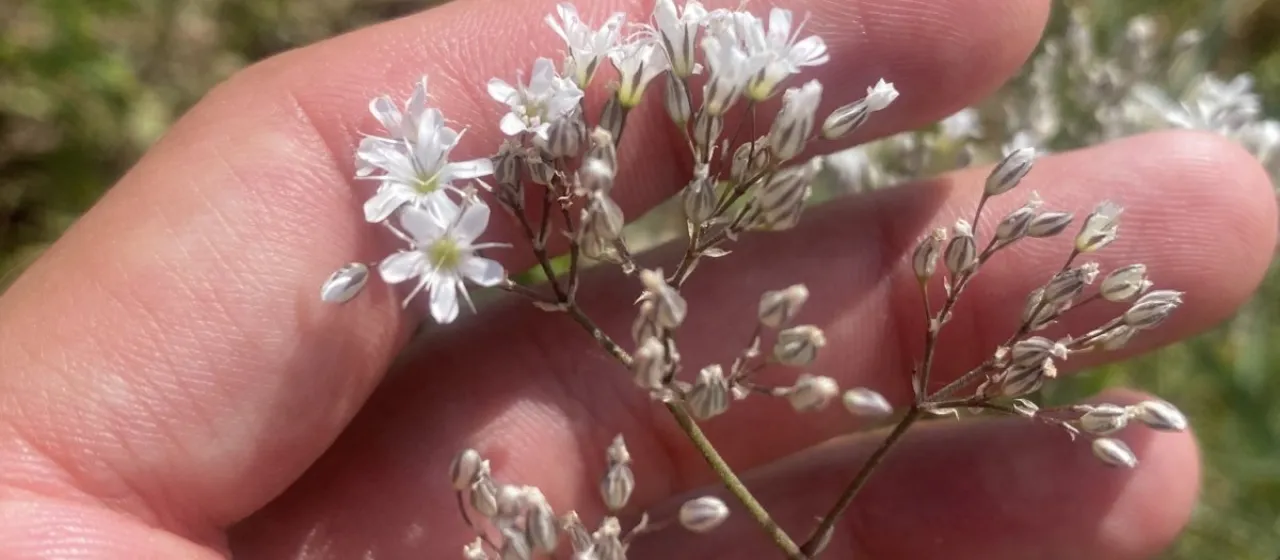
Botanically, the plant features branched stems and sharp, lanceolate leaves, which distinguish it from other related species. The root system is deep-reaching and fleshy, acting as a storage organ for carbohydrates and saponins. During the flowering stage, the plant produces abundant white to light pink blooms, often used in ornamental arrangements.
Agronomically, Gypsophila acutifolia thrives in well-drained, sandy-loam soils with a neutral or slightly alkaline pH. Proper site selection is crucial to prevent root rotting. Cultivation techniques should focus on effective weed management during the establishment year, as the crop is initially slow-growing and can be outcompeted by aggressive weeds.
The primary economic use is the extraction of saponins for industrial applications, including the production of natural detergents and foaming agents. Apart from its industrial importance, the plant is a significant component in the floral industry. Growers should monitor for common pests such as aphids and root-dwelling insects, as well as fungal pathogens that occur in waterlogged soil.