
Description
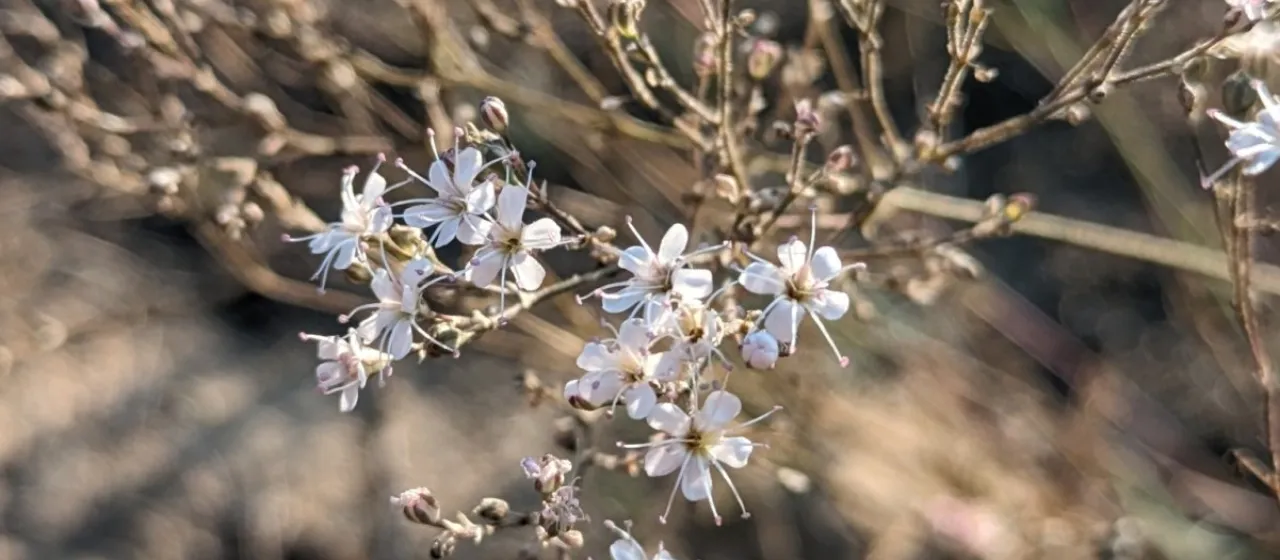
Fastigiate gypsophila (Gypsophila fastigiata) is a perennial herbaceous plant belonging to the Caryophyllaceae family. Known for its resilience and graceful appearance, this plant is increasingly recognized for its ability to thrive in poor soils where other ornamental species might struggle to survive.
Originating from Northern and Central Europe, this plant is naturally adapted to sandy, well-drained, and nutrient-poor environments such as dry pine forests and stony meadows. Its distribution across these regions highlights its remarkable hardiness and ability to tolerate wide fluctuations in temperature and soil quality, making it an excellent candidate for low-maintenance cultivation.
The botanical structure of Gypsophila fastigiata consists of clustered, erect stems reaching a height of 20 to 50 cm. The leaves are narrow and often exhibit a glaucous, waxy surface. During the flowering stage, the plant produces numerous small, star-shaped flowers arranged in dense, corymbose inflorescences, providing a soft, cloud-like aesthetic.
In terms of agricultural management, the primary requirement for this crop is impeccable drainage. The plant is highly susceptible to root diseases caused by waterlogged soils, so soil structure must be porous and breathable. It demands full sun exposure to maintain its compact, fastigiate growth habit; in shady locations, the stems tend to stretch, losing their structural integrity.
The cultural use of this species is broad, primarily spanning across rock garden design, xeriscaping, and the dried flower market. Regarding plant protection, producers must monitor for fungal issues like powdery mildew and root rot, which are triggered by poor air circulation. While generally pest-resistant, spider mites can become an issue during excessively hot and dry spells, necessitating basic integrated pest management protocols.