
Description
Gypsophila glomerata is a perennial herbaceous plant belonging to the Caryophyllaceae family. Known for its compact growth habit and distinct inflorescences, this species is a representative of the gypsophila genus, which is widely appreciated in both botanical studies and horticultural practice for its unique physiological adaptations to harsh environments.
The plant originates from the mountainous and arid regions of Central Asia. Its natural habitat is typically characterized by rocky slopes, gravelly soils, and climates with significant fluctuations in temperature. These environmental pressures have shaped the species into a resilient xerophyte, capable of thriving in nutrient-poor substrates where competition from other vegetation is minimal.
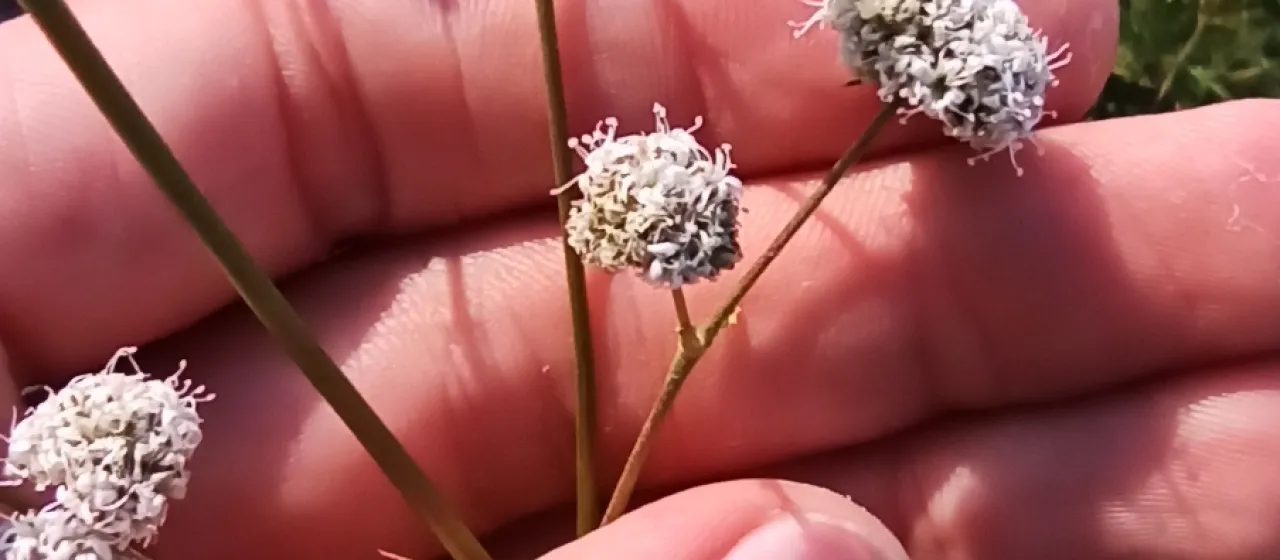
Botanically, Gypsophila glomerata is distinguished by a deep taproot system and rigid, branched stems. The foliage is generally linear or lanceolate, often exhibiting a glaucous coating that serves as a protective layer against excessive transpiration. The most prominent feature is its inflorescence, which consists of small, numerous flowers clustered into dense, head-like cymes, resulting in a unique visual density that distinguishes it from other genus members.
Agricultural and horticultural cultivation requires specific attention to soil drainage and sun exposure. The species performs best in alkaline, limestone-rich soils with excellent permeability. Water management is critical; overwatering is the most common cause of failure in cultivation. During the active growth period, it requires minimal irrigation, while high light intensity is essential to maintain the structural integrity and blooming capacity of the plant.
In terms of usage, the plant is primarily utilized in rock gardens, xeriscaping, and as a specialized ornamental for dry, sunny landscape projects. Regarding plant health, the species is relatively robust, though it can be susceptible to root rot pathogens if soil moisture remains high. Pests such as aphids and spider mites may occur under improper greenhouse conditions, but generally, the plant remains free of major biological threats when grown in suitable ecological niches.