
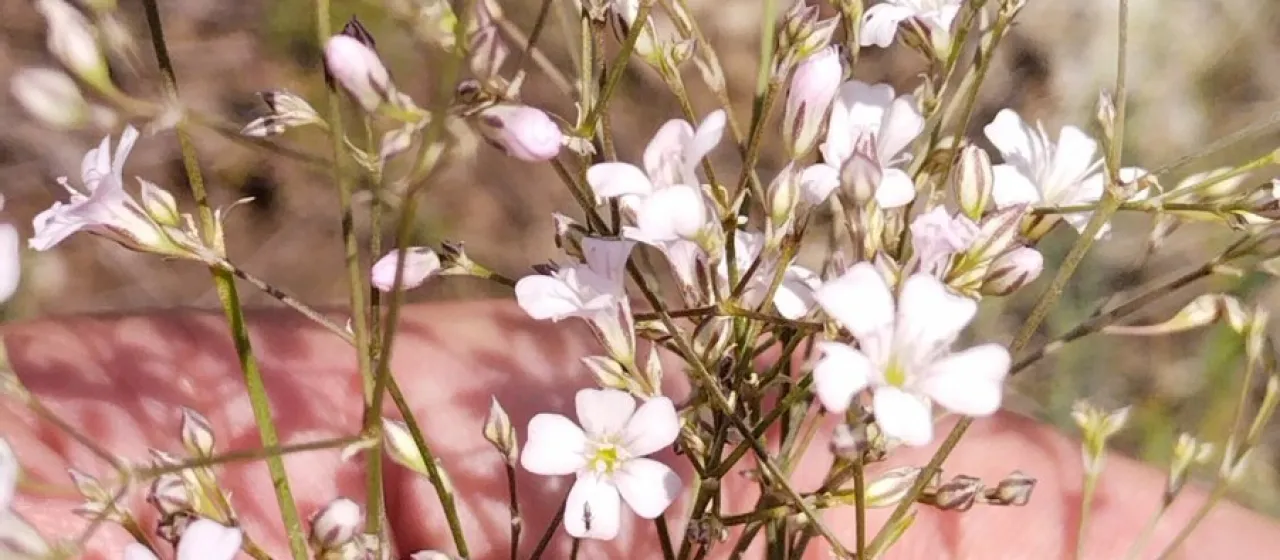
Description
Gypsophila patrinii is a perennial herbaceous plant belonging to the Caryophyllaceae family. In agronomy, this species is recognized as a hardy, low-maintenance plant that thrives in ecological conditions where most crops struggle, specifically in arid, stony, or rocky soils typical of its native habitat.
The origin of Gypsophila patrinii is closely linked to the vast steppes and mountainous regions of Siberia and Central Asia. This environment has defined the plant's biological profile, leading to its specialized evolution for survival in climates with extreme temperature fluctuations and limited precipitation patterns throughout the growing season.
Botanically, this plant displays a robust, deep-reaching taproot system, which is critical for nutrient uptake and survival in substrate-poor environments. The foliage consists of narrow, lanceolate leaves, often showing a glaucus hue. The plant produces delicate inflorescences that carry small, numerous flowers, creating a light, airy appearance characteristic of many species in the genus Gypsophila.
The agronomic management of this culture requires careful attention to environmental conditions. It demands well-drained, alkaline, or neutral soil with low organic matter content. Over-fertilization, especially with nitrogen, is detrimental as it promotes weak stems. Full sun exposure is non-negotiable for maintaining the plant's natural, compact habit and preventing etiolation.
From a utilization perspective, Gypsophila patrinii is predominantly employed in ornamental horticulture, specifically in xeriscaping and rock gardens. Regarding pathology, the plant is generally resilient; however, it remains susceptible to root rots caused by excessive moisture or poor soil aeration. Implementing preventative measures such as adding grit to the planting mix is the standard professional approach to ensure longevity.