
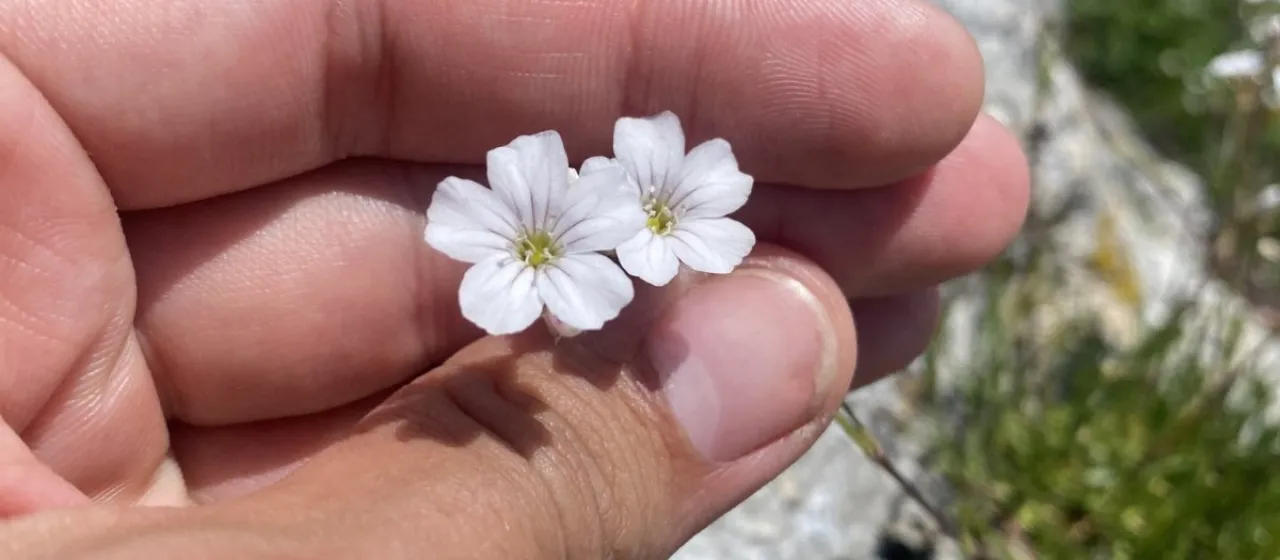
Description
Gypsophila tenuifolia, belonging to the Caryophyllaceae family, is a perennial herbaceous plant known for its hardiness and delicate ornamental appearance. This species is particularly noted for its ability to thrive in challenging environments where other crops fail to establish, making it a valuable asset in specialized horticultural projects.
Originating from the mountainous regions of the Caucasus, this plant is naturally adapted to dry, stony slopes and thin, mineral-rich soils. This evolutionary background makes it an excellent choice for xeriscaping and sustainable gardening, as it requires minimal water once the root system is well-established.
The botanical structure consists of narrow, linear leaves and a dense, branching inflorescence that creates a cloud-like effect during the flowering season. Its deep taproot allows the plant to reach groundwater reserves, which significantly enhances its resilience against prolonged summer droughts and heat waves.
Regarding agrotechnical requirements, the crop demands full sun exposure and extremely well-draining soil to prevent root rot. It performs best in slightly alkaline or neutral substrates. Growers should ensure that the planting site is elevated or situated on a slope to facilitate water runoff, as stagnant humidity is the primary cause of plant decline.
Commercially, Gypsophila tenuifolia is utilized primarily as an ornamental plant for rock gardens and as a dried flower element in the floral industry. While the plant is inherently robust, common threats include fungal diseases caused by poor ventilation and moisture, which can be mitigated by maintaining proper plant spacing and ensuring adequate soil drainage.