
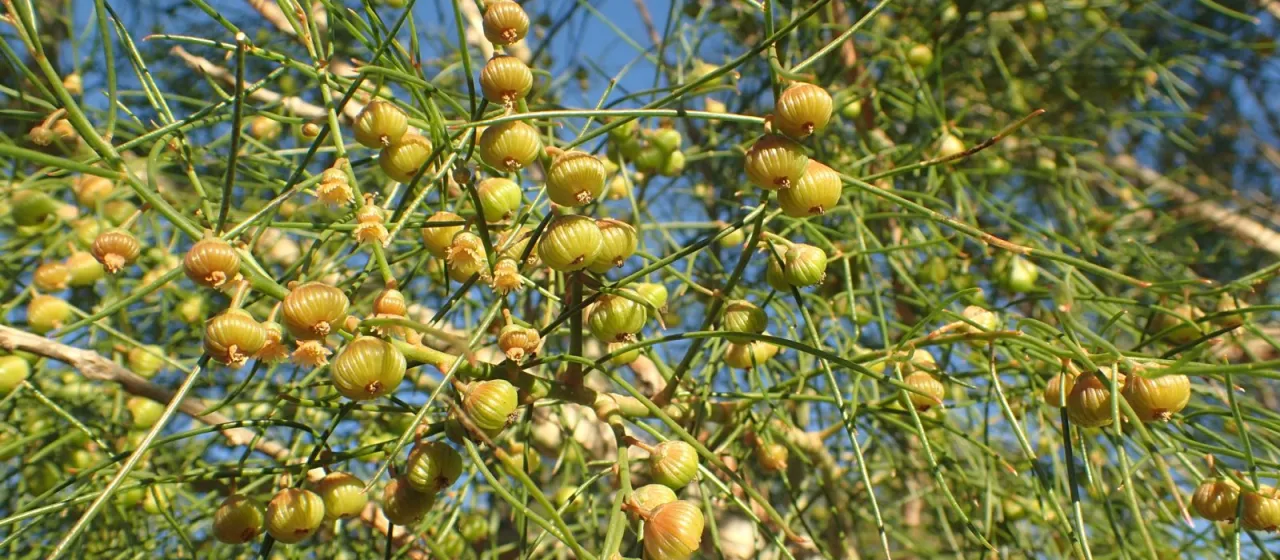
Description
Gyrostemon ramulosus is a remarkable plant species belonging to the Gyrostemonaceae family. Known for its distinct woody shrub habit, this plant has evolved to thrive in the harshest environments of inland Australia, demonstrating high levels of ecological specialization that allow it to persist where many other species would fail.
Botanically, this species is characterized by its slender, often needle-like foliage and specialized woody stems that store resources to survive periods of prolonged drought. It displays classic xerophytic adaptations, including reduced leaf surface area and a physiological capacity to regulate transpiration efficiently during high-temperature events common in its native desert habitats.
The native distribution of Gyrostemon ramulosus is primarily concentrated in the arid and semi-arid zones of Western and Central Australia. It occupies niche habitats such as sandplains and rocky outcrops where the soil profile is characterized by low nutrient content, high alkalinity, or significant salinity, making it a key species in these fragile ecosystems.
Regarding cultivation, the plant is not currently treated as a major commercial crop, but it is of great interest for experimental agrotechnology in arid regions. Success in cultivation requires strict adherence to natural conditions: highly permeable, sandy substrates and the total avoidance of waterlogging. It is considered a slow-growing species, and its propagation relies on specific germination requirements linked to environmental stressors.
In terms of agricultural and industrial utility, Gyrostemon ramulosus is mainly studied for its potential in land rehabilitation and soil stabilization. By preventing erosion in degraded arid lands, it serves a protective ecological function. Ongoing biochemical assessments are also exploring whether the chemical compounds present in its foliage have applications in medicine or chemical manufacturing, potentially adding economic value to this hardy shrub.
- Extreme drought tolerance
- Adaptability to saline and sandy soils
- Significant potential for land rehabilitation
- Xerophytic morphological features
- Low maintenance requirements in suitable climates