
Description
Hackelochloa granularis is an annual grass species belonging to the Poaceae family. Known in botanical circles for its distinctive morphology, this plant serves as an interesting subject for agricultural studies focusing on tropical and subtropical forage potential. It is recognized for its ability to thrive in warm environments where other traditional forage grasses might struggle.
The plant originates from the tropical regions of Africa and Asia, though it has naturalized in various parts of the world. Its distribution range is typically defined by high temperatures and adequate precipitation patterns. In many regions, it is found in disturbed areas, roadsides, and open pastures, where it behaves as a colonizing species capable of covering ground quickly.
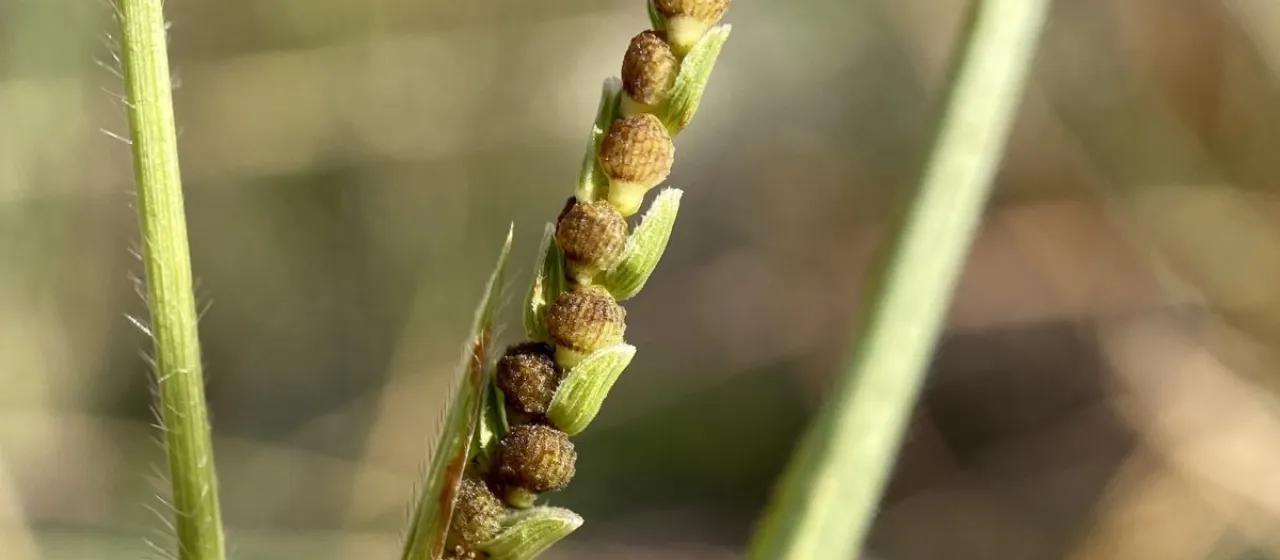
Botanically, Hackelochloa granularis is characterized by slender, erect stems and lanceolate leaves. Its most distinctive feature is the inflorescence, which consists of small, bead-like or granular structures that contain the seeds. This unique reproductive strategy allows the plant to efficiently propagate in various soil types, maintaining a steady population within its native and introduced ranges.
To achieve optimal growth, this grass requires well-drained soil and significant exposure to sunlight. It is a highly thermophilic species, meaning it requires warm temperatures for germination and rapid vegetative growth. Agricultural management involves careful monitoring of soil moisture during the establishment phase and ensuring that competing weeds do not overwhelm the crop, especially in the early weeks.
In terms of agricultural utility, the plant is primarily used as forage for livestock. It provides a useful source of biomass in pasture systems within tropical zones. While it is not usually cultivated as a primary industrial crop, it remains a valuable component of grazing land. Typical management involves controlling fungal diseases that may occur during humid seasons and monitoring for common grass-feeding insects that can affect forage quality.
- Thermophilic growth habits
- Annual life cycle
- High sunlight requirement
- Useful as natural forage