
Description
Halfordia kendack is an evergreen tree species belonging to the Rutaceae family. Commonly known as the saffron heart or kerosene wood, it is a significant botanical specimen native to the tropical forests of Australia, New Guinea, and New Caledonia. As a member of the rue family, it shares specific biological traits such as gland-dotted leaves that release a distinct aroma when crushed.
The natural habitat of this species is characterized by high humidity and consistent tropical temperatures. It thrives in well-drained soils found in lowland and montane rainforests. The plant is well-adapted to competitive environments, where its growth habit allows it to maximize light interception while maintaining a robust structural integrity against environmental stressors typical of the region.
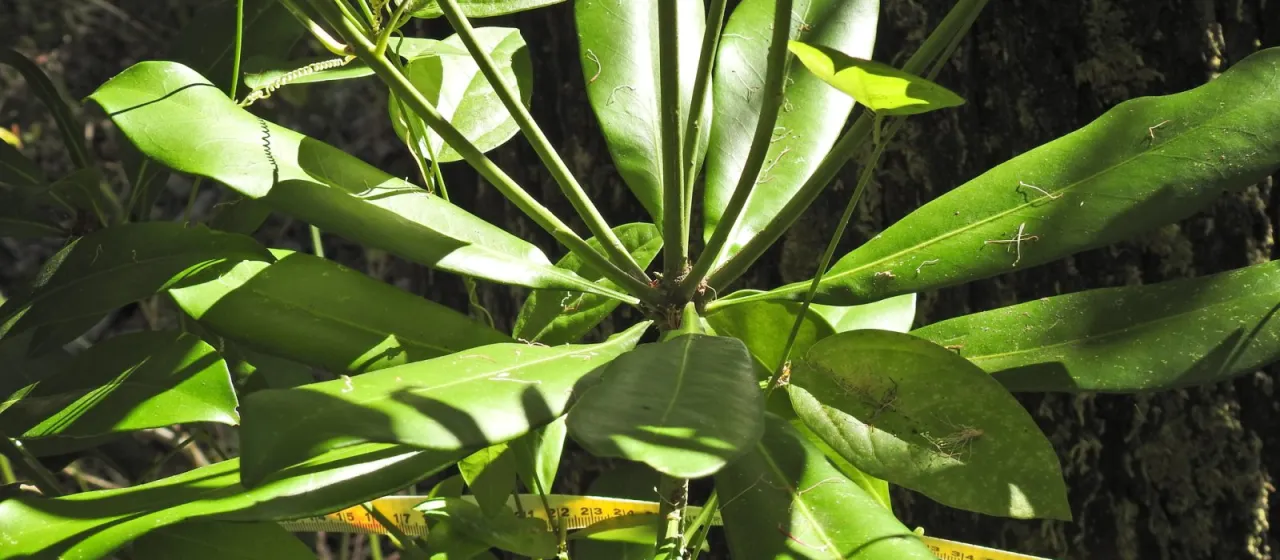
Botanically, Halfordia kendack features leathery, glossy leaves and small, aggregate inflorescences. The fruit consists of drupes that provide ecological support for local avian fauna. The tree is recognized for its dense timber, which is exceptionally durable and possesses a yellowish tint, often likened to the color of saffron, hence the popular naming of the species in various regions.
Agricultural requirements for Halfordia kendack involve ensuring high soil fertility and effective drainage systems. It is sensitive to waterlogging, necessitating proper land management in plantations. Basic care includes monitoring for common pests, such as sap-sucking insects, and maintaining appropriate spacing to facilitate air circulation, which helps prevent fungal leaf spots during rainy seasons.
- Requires well-drained, nutrient-rich soil.
- Thrives in high-humidity tropical climates.
- Requires protection from frost and extreme drought.
- Propagation primarily via healthy seed stock.
Economically, Halfordia kendack is primarily valued for its timber, which is used in high-end cabinetry, flooring, and specialized construction due to its density and resistance to decay. Beyond timber, ongoing research into the chemical properties of its leaves and bark is exploring potential applications in essential oil production and pharmacological studies related to its secondary metabolites.