
Description
Halimium brasiliense is a distinctive evergreen subshrub belonging to the Cistaceae family. It is recognized for its xerophytic nature, making it a highly resilient species that has adapted to thrive in harsh, dry environments where traditional agricultural crops often fail.
Originating from arid regions, the plant is naturally adapted to poor, stony soils. Its distribution is typically linked to warm climates with significant sun exposure. In horticultural practice, this species is increasingly valued for its contribution to sustainable, water-wise gardening and erosion control on slopes.
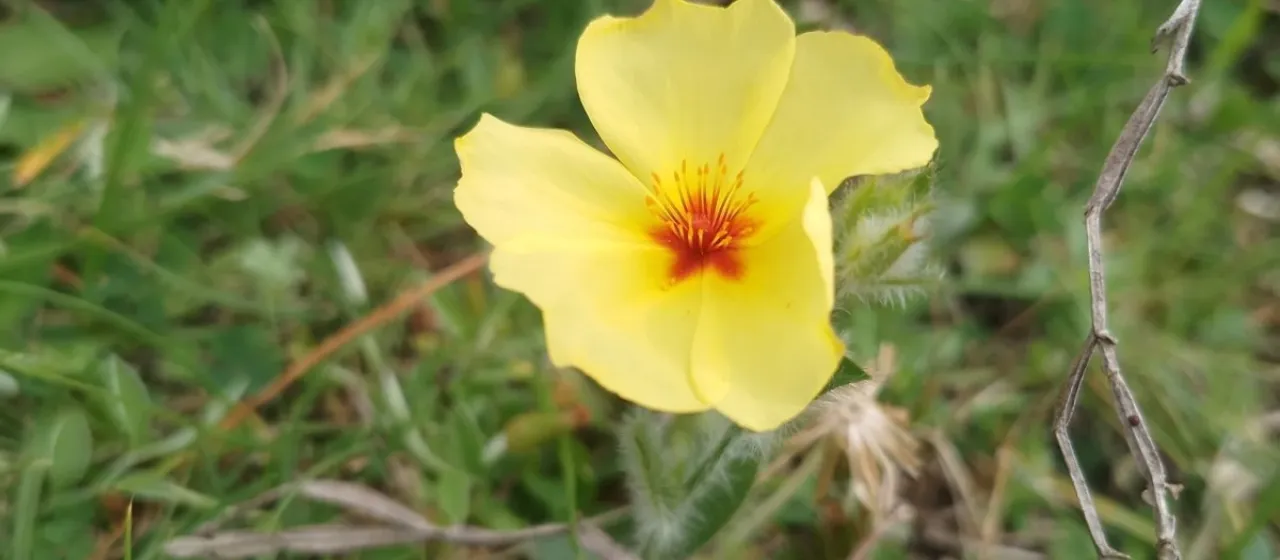
Botanically, Halimium brasiliense features small, densely arranged leaves often covered in fine pubescence, which serves as a protective layer against intense light and water loss. The plant produces vibrant yellow blossoms, which play a significant role in supporting local pollinator populations in natural habitats.
Successful cultivation requires strict adherence to soil moisture management. The plant demands excellent drainage; therefore, planting it in heavy or compacted soil is discouraged. It thrives in well-aerated, rocky, or sandy substrates that mimic its native environment. Minimal fertilization is recommended, as high nitrogen levels can compromise its natural hardiness.
While generally hardy, the species is susceptible to specific threats. Diseases are primarily related to fungal root pathogens caused by overwatering or poor site drainage. Pests such as spider mites may appear during periods of extreme heat and stagnant air, making proper site selection and spacing critical for long-term health.