
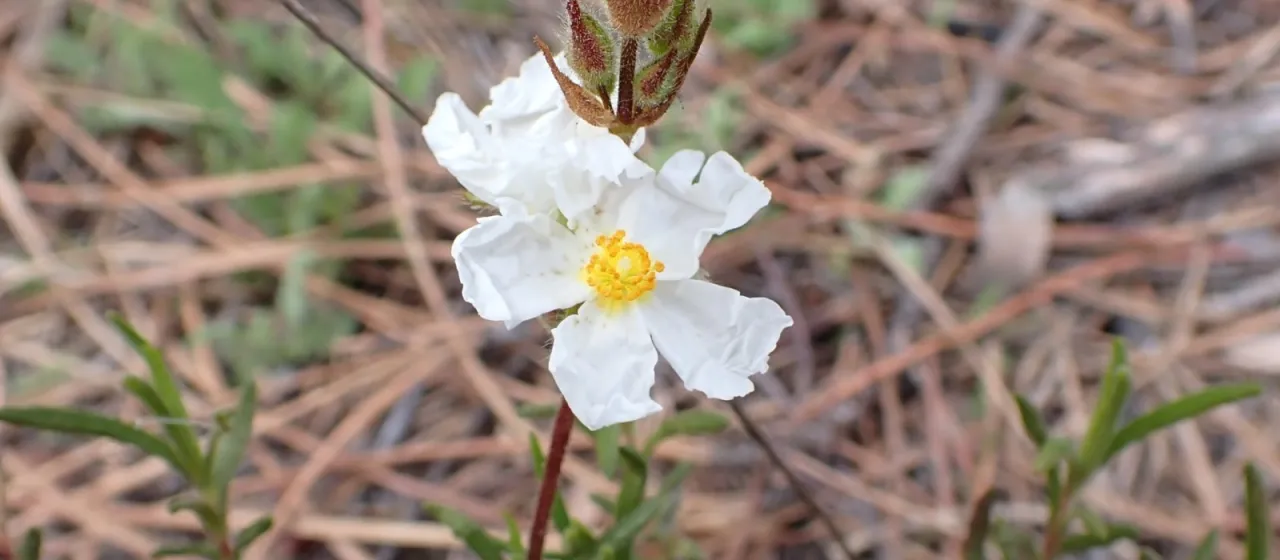
Description
Halimium verticillatum is an evergreen subshrub belonging to the Cistaceae family. Known for its distinct growth habit, this plant serves as an excellent ornamental choice for gardens located in warm, temperate climatic zones where its specific ecological needs can be met.
The species is native to the Mediterranean region, particularly within the Iberian Peninsula. In its natural habitat, it thrives on stony slopes and sandy soils, demonstrating significant resilience to high solar exposure and nutrient-poor environmental conditions.
Botanically, the plant is characterized by its verticillate (whorled) leaf arrangement, which gives it a unique texture compared to other members of the genus. Its yellow flowers typically emerge in late spring or summer, providing a vibrant contrast against its subtle foliage.
Cultivation success depends on replicating the plant’s natural environment. It requires full sun and exceptionally well-drained soil. Gardeners should avoid rich, heavy soils that retain moisture, as the root system is highly susceptible to rot when subjected to persistent dampness.
The primary use of Halimium verticillatum is in landscape design, particularly for xeriscaping and rock garden installations. Due to its drought-tolerant nature, it is a sustainable plant choice for areas where water conservation is prioritized, requiring minimal intervention once established.
Regarding health management, the plant is relatively hardy if provided with correct conditions. Root rot caused by fungal pathogens is the most common issue. In confined or poorly ventilated areas, aphids may colonize new growth, but generally, the plant remains pest-free if given sufficient space and air circulation.