
Description
Halogeton (Halogeton glomeratus) is an annual herbaceous plant belonging to the Amaranthaceae family. It is a highly specialized halophyte, well-known for its extraordinary ability to thrive in arid and saline environments where the soil salt content would be lethal to most other agricultural crops.
The plant originates from the arid regions of Central Asia. Over time, it has expanded its range significantly, becoming a notable invasive weed in parts of North America and other arid regions globally. It is commonly found in disturbed sites, overgrazed rangelands, and areas where soil crusts have been broken, allowing it to colonize new territories rapidly.
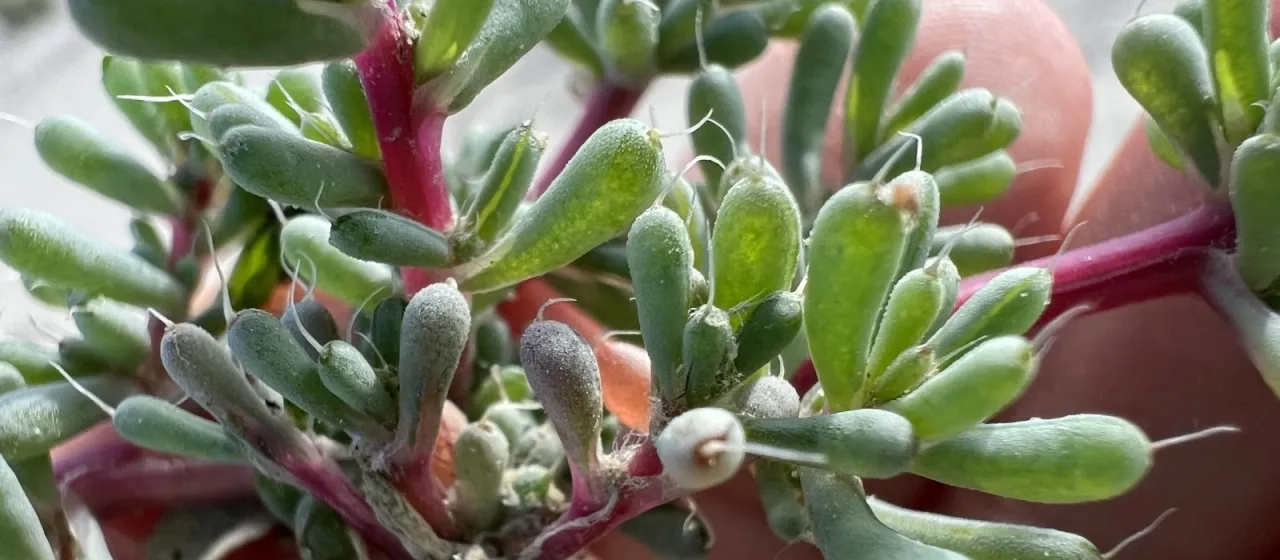
Botanically, Halogeton is characterized by its succulent, cylindrical leaves and a branched stem that can grow prostrate or erect. A key physiological feature is its high salt accumulation, which creates osmotic potential allowing water uptake from hyper-saline soils. Its reproductive strategy relies on the production of a vast number of seeds that can survive in the soil seed bank for extended periods.
From an agricultural standpoint, Halogeton is not cultivated but rather managed as a troublesome weed. It does not require specific fertilization or irrigation; conversely, it prefers barren or poorly managed soils. Effective control usually involves a combination of preventative measures and chemical interventions, primarily targeting the plant before it sets seed during the late summer season.
The main agricultural concern associated with Halogeton is its severe toxicity to livestock, particularly sheep and cattle. The plant contains high levels of soluble oxalates, which react with calcium in the animal's digestive system to form insoluble crystals, causing kidney failure and often death. Because of this, it is considered a major nuisance in rangeland management, requiring constant monitoring to ensure the safety of grazing livestock.