
Description
Haloragis erecta, commonly known as shrubby haloragis, is a perennial herbaceous or subshrub species belonging to the Haloragaceae family. It is recognized for its dense, upright growing habit and distinctive foliage, which adds architectural value to various horticultural settings.
Originating from New Zealand, this plant has naturally adapted to rocky and coastal environments. Its ability to thrive in diverse soil conditions, ranging from poor to moderately fertile, has contributed to its popularity in modern landscaping and domestic ornamental gardening.
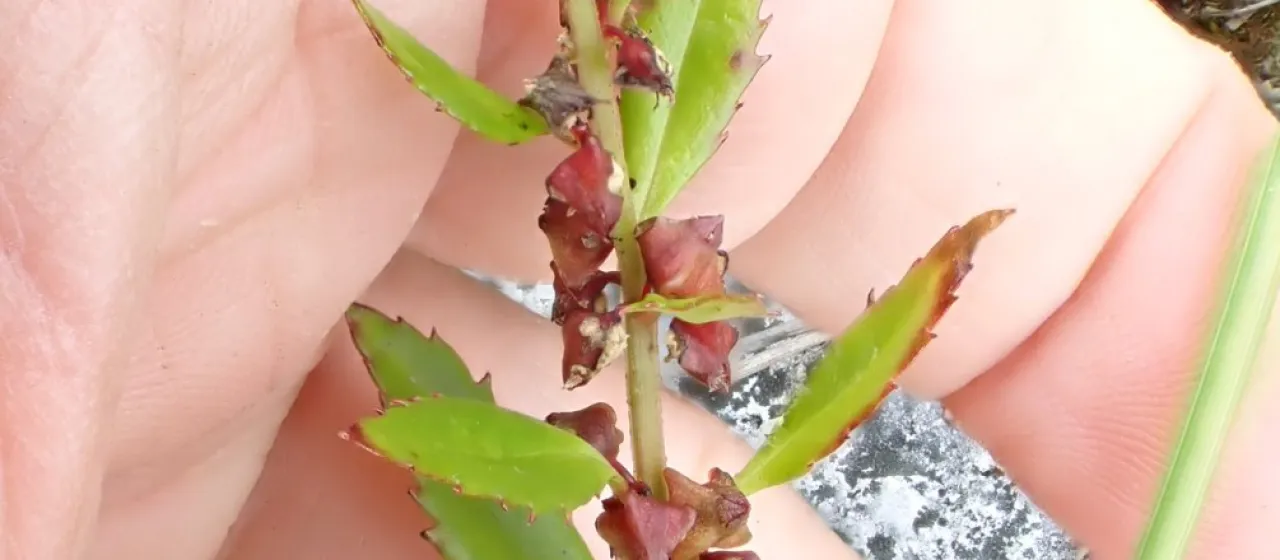
Botanically, the species is defined by its opposite, serrated leaves that can display colors ranging from deep olive-green to intense bronze or purple, depending on the cultivar and light exposure. The plant produces small, inconspicuous flowers, which are typically overshadowed by the aesthetic appeal of its foliage.
Agricultural requirements for Haloragis erecta include full sun exposure to ensure the development of deep leaf pigments. Regarding soil, excellent drainage is essential, as the species is highly susceptible to root rot if waterlogged conditions persist. Minimal fertilization is usually sufficient, as the plant is relatively hardy once established.
- Requires well-draining soil for optimal health.
- Thrives in full sun or light shade environments.
- Resistant to mild drought once the root system is mature.
- Can be susceptible to aphid infestations during humid weather.
- Commonly propagated via cuttings in spring or autumn.
The primary use of this crop is ornamental. It is frequently employed in borders, as a structural filler in gardens, or in container arrangements. While generally low-maintenance, regular pruning helps to maintain a dense, bushy appearance and prevents the plant from becoming woody or leggy over time.