
Description
Haloragis heterophylla is a perennial herbaceous plant belonging to the Haloragaceae family. Within agricultural and botanical studies, it is recognized for its notable hardiness and ability to thrive in a range of challenging soil conditions, making it a subject of interest for land management and ecological restoration.
The species is native to Australia, where it has evolved within various climatic zones. Its natural habitat includes grasslands and open woodlands, which has influenced its physiological capacity to withstand environmental stress. Its introduction into managed agricultural landscapes is primarily focused on its utility for soil stabilization and environmental protection.
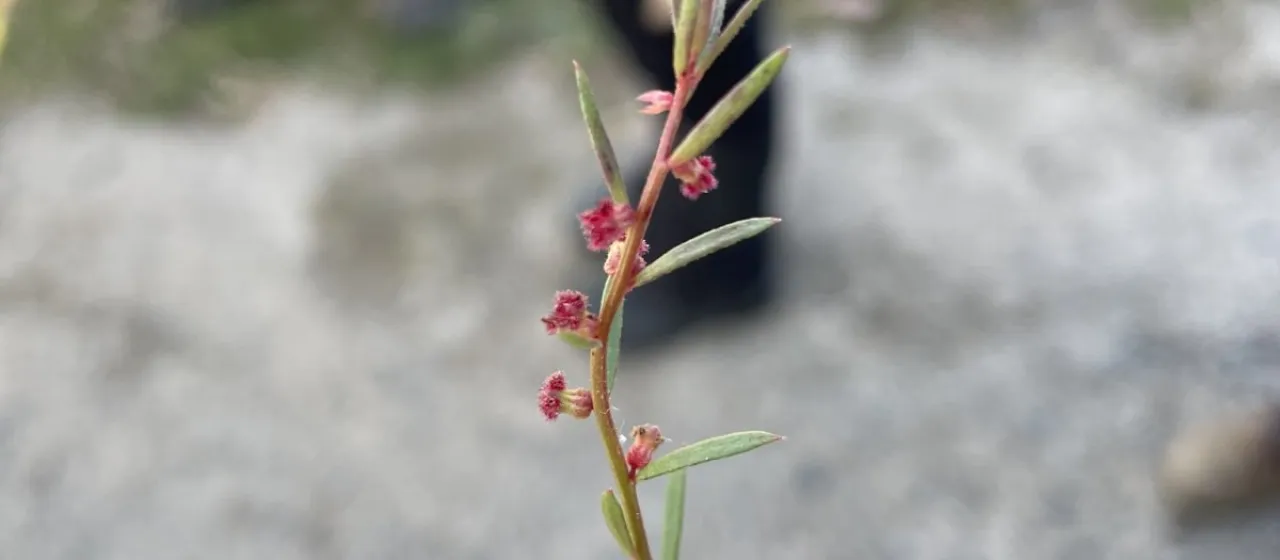
Botanically, the plant is distinguished by its variable leaf morphology, which allows for adaptive responses to light intensity and moisture availability. It typically develops a branched growth habit, creating a dense canopy that covers the soil surface effectively. The flowers are generally inconspicuous, contributing to a discreet reproductive strategy.
Cultivation requirements for Haloragis heterophylla emphasize the necessity of well-drained soil substrates. It is sensitive to waterlogging, which can compromise the integrity of its root system. Ideally, it thrives in environments that mimic its native climate, characterized by alternating cycles of moisture and sunlight, with adequate nutrient availability to support consistent foliage development.
The primary agricultural and land-use applications include:
- Erosion control on slopes and unstable terrain.
- Use as a groundcover in sustainable landscaping projects.
- Contribution to local biodiversity in integrated farming systems.
Regarding plant health, the species is susceptible to various fungal pathogens, particularly when cultivation conditions lack sufficient airflow or drainage. Pests such as leaf-feeding insects may periodically affect the plant's vigor; therefore, implementing integrated pest management practices is recommended to maintain healthy stands and ensure the longevity of the crop.