
Description
Halostachys belangeriana is a perennial subshrub belonging to the Amaranthaceae family. As a prominent halophyte, it has evolved to thrive in soils with extremely high salt concentrations, making it a critical species for agricultural exploration in environments where standard crops cannot survive. The plant is botanically characterized by its unique ability to manage high internal salt levels.
The native range of this species is spread across the arid and semi-arid regions of Central Asia. It typically occupies saline desert plains, the margins of dried lakes, and regions with shallow, mineralized groundwater. In contemporary agronomy, it is increasingly viewed as a key player in the reclamation of saline-alkali soils caused by irrigation mismanagement.
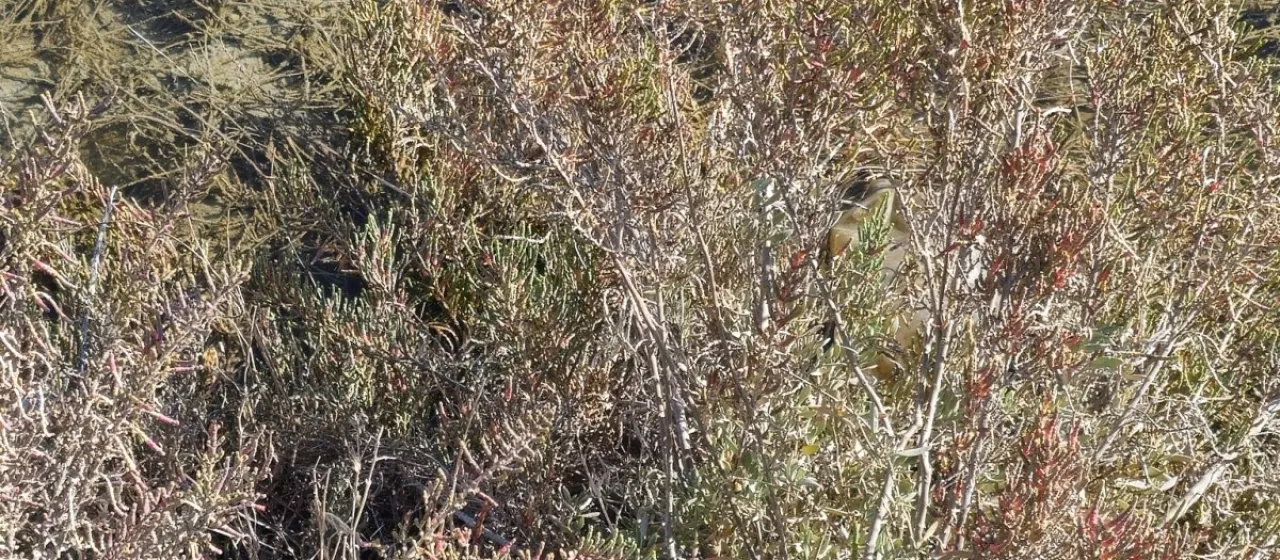
The morphology of the plant includes succulent, jointed stems and highly reduced leaves that function as scales to prevent excessive water loss through transpiration. This structural adaptation allows the plant to sustain metabolic activity despite intense heat and drought. Its root system is exceptionally deep, tapping into water sources that are unreachable for many other desert flora.
Regarding cultivation, the plant demands high solar radiation and extreme heat for optimal growth. Agricultural management primarily involves the selection of saline-affected land and ensuring the plant has enough space to establish its root architecture. It is naturally resistant to many pests that plague traditional farming, though monitoring for localized herbivory is recommended during the initial growth stages.
The primary agricultural use of Halostachys belangeriana is as a reliable forage source for nomadic livestock, such as camels and sheep, during the dry season. Beyond its nutritional value, the plant is increasingly utilized in biomanagement projects designed to lower soil salinity levels. By extracting salts from the soil and concentrating them in their tissues, these plants facilitate the gradual recovery of degraded land.
- Extreme tolerance to salinity and aridity.
- Significant role in phytoremediation and soil recovery.
- Resilience against many standard agricultural pests.