Witch hazel
Hamamelis virginiana L.
Description
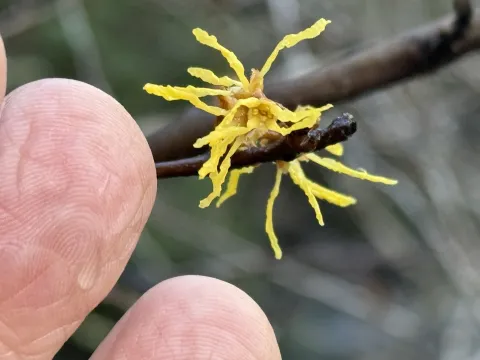
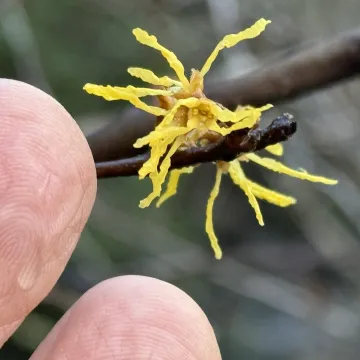
Witch hazel (Hamamelis virginiana L.) is a deciduous shrub or small tree belonging to the Hamamelidaceae family. It is highly valued for its unique blooming cycle, as it produces delicate, ribbon-like yellow flowers in late autumn, often persisting into early winter after the foliage has fallen.
Native to North America, this plant is naturally found in wooded areas, riparian zones, and along forest edges. It thrives in temperate climates and has shown remarkable adaptability to various environmental conditions, making it a staple in both ornamental horticulture and medicinal ingredient cultivation.
The agronomic requirements for witch hazel include fertile, well-draining, and slightly acidic soil. It prefers consistent moisture and a location that provides protection from harsh, drying winds. While the plant grows slowly, regular organic mulching and consistent watering are essential for establishing a healthy, vigorous root system during the initial years of growth.
In terms of economic utility, witch hazel is most famous for its distilled bark and leaf extracts, which contain high concentrations of tannins. These substances possess strong astringent, anti-inflammatory, and antioxidant properties. Consequently, the plant is a critical raw material for the production of skin care products, dermatological treatments, and herbal remedies.
Regarding health management, witch hazel is generally resistant but can suffer from issues like phyllosticta leaf spot or powdery mildew under conditions of high humidity and poor ventilation. Pests such as aphids or gall-forming insects may occasionally cause aesthetic damage. Maintaining proper plant spacing and sanitation is the primary defense strategy for maintaining the health of the plantation.
Photo gallery