
Description
Hampea rovirosae is a woody plant species classified within the Malvaceae family. Known for its rapid growth rate, it is primarily found in tropical ecosystems, serving as a pioneer species in secondary forests. While not a traditional food crop, it plays a vital role in agroforestry systems and tropical soil restoration projects.
The native range of this species is centered in Southern Mexico and parts of Central America. It thrives in humid tropical environments with consistent rainfall and high temperatures. These climatic conditions enable the tree to achieve significant height and crown density within a relatively short period, making it suitable for reforestation efforts in its natural geographic range.
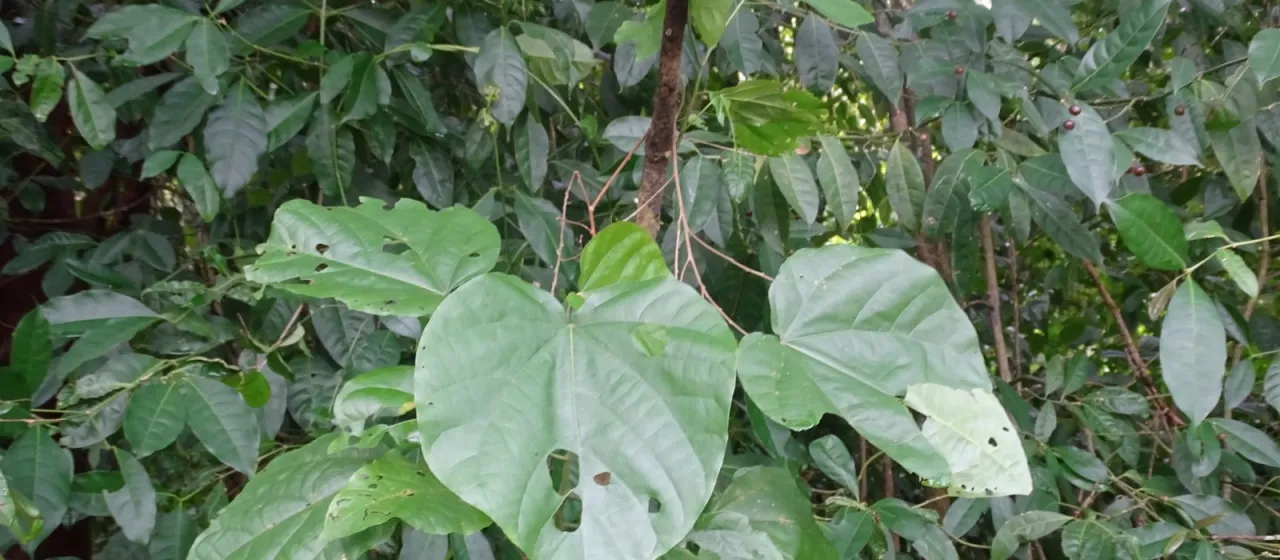
Botanically, Hampea rovirosae exhibits typical Malvaceae traits, including heart-shaped leaves and distinct, dry-capsule fruits. Its structural biology allows it to thrive in competitive environments where it captures sunlight efficiently. The root system is relatively deep and branching, which aids in soil stabilization and nutrient cycling through leaf litter decomposition.
Agrotechnical requirements focus on soil drainage and humidity levels. The plant prefers deep, fertile, loamy soils that can retain enough moisture without becoming waterlogged. During the establishment phase, it requires protection from intense wind and competition from aggressive weeds. Seed propagation is the preferred method for establishing new stands, provided that seeds are sourced from mature, healthy specimens.
The economic and practical applications of Hampea rovirosae include several key areas:
- Production of wood utilized in local carpentry and small-scale tool manufacturing.
- Use as a shelterbelt tree to protect fragile agricultural crops from wind damage.
- Ecological service provider in carbon sequestration and habitat creation for pollinators.
- Assisting in slope stabilization in areas prone to moderate erosion.
In terms of plant health, Hampea rovirosae is generally robust but can be susceptible to typical tropical forest pests, including leaf-mining insects and certain borers. Disease management involves maintaining good spacing to prevent the humidity buildup that encourages fungal pathogens. Integrated pest management practices, such as encouraging beneficial predatory insects, are recommended for long-term cultivation success.