
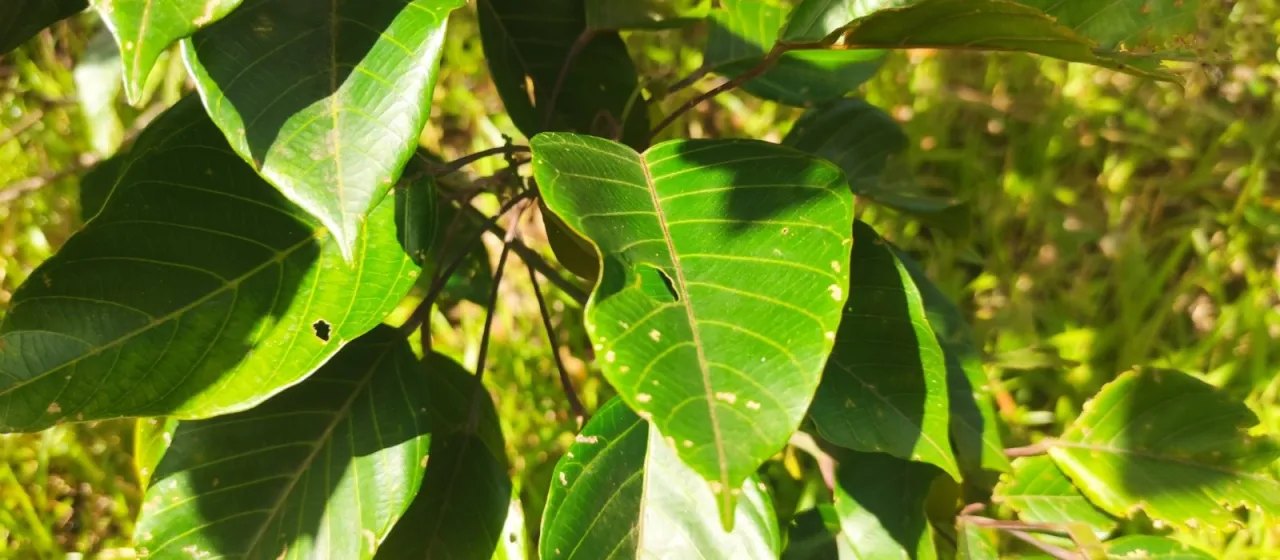
Description
Hancea integrifolia is a plant species belonging to the Euphorbiaceae family. It is a perennial shrub typically found in tropical environments. As an agricultural and botanical subject, this plant is valued for its unique physiological traits and its role within the tropical forest ecosystem, where it occupies specific ecological niches that require specialized handling for cultivation outside its natural habitat.
The native range of this species is centered in Southeast Asia. It is distributed across tropical regions where the climate remains warm and humid throughout the year. Due to its evolutionary history, the plant is adapted to the forest understory, meaning it has evolved to thrive in environments with filtered light and high atmospheric humidity, avoiding the harsh direct midday sun typical of open agricultural fields.
Botanically, Hancea integrifolia is characterized by its simple, entire leaves and a woody stem structure. The root system is relatively shallow, which is a common trait among tropical understory species. The plant's growth pattern is influenced heavily by the availability of organic matter in the soil and the ability of the environment to maintain consistent moisture levels without creating waterlogged conditions.
Agronomic requirements are focused on mimicking the natural environment as closely as possible. The soil should be well-drained, rich in organic matter, and slightly acidic to neutral. Consistent moisture is vital; however, the grower must be cautious to prevent root rot, which is a major risk factor for this genus. Regular, balanced fertilization during the active growing season helps maintain plant vigor and foliage density.
Agricultural and scientific interest in Hancea integrifolia covers several key areas:
- Phytochemical screening for potential medicinal applications.
- Preservation and study within botanical gardens and germplasm collections.
- Experimental cultivation to assess its physiological responses to environmental stress.