
Description
Hardwickia binata, commonly known as the Anjan tree, is a prominent deciduous tree species belonging to the Fabaceae family. Renowned for its exceptional durability and structural integrity, this tree serves as a vital component in the tropical forest ecosystems of Central and Southern India.
The tree thrives in regions characterized by distinct dry seasons and thrives in tropical climates where soil moisture fluctuates significantly. Its natural habitat includes open forests and rocky terrains, which demonstrates the species' high level of adaptation to challenging environmental conditions that would limit the growth of less resilient flora.
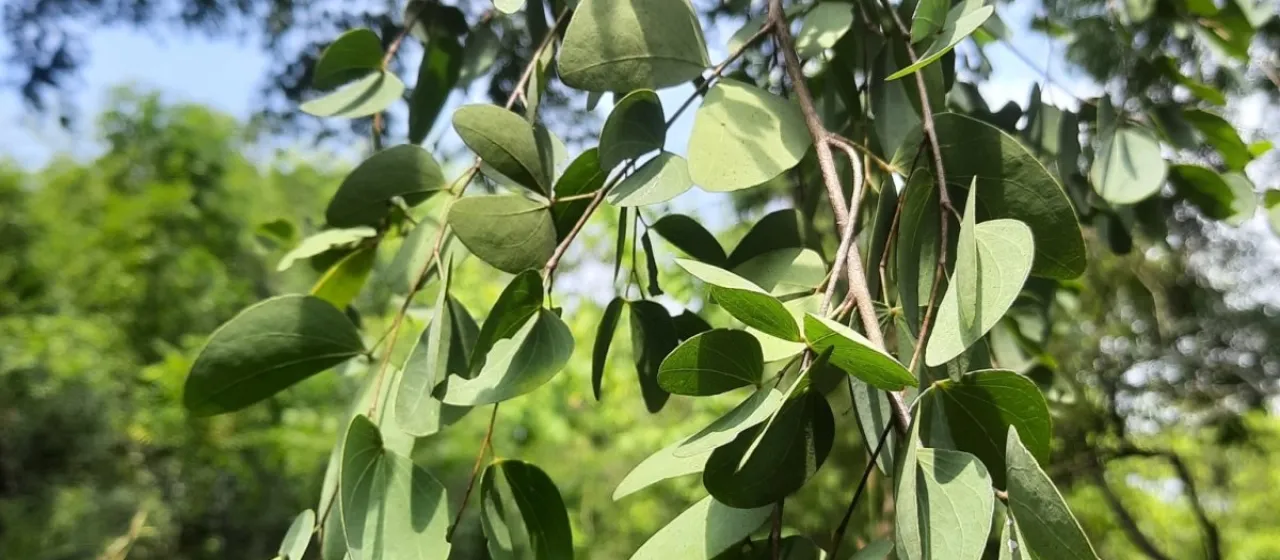
Botanically, Hardwickia binata is identified by its slow growth rate and distinctive foliage, consisting of two leaflets that appear joined at the base. It can grow up to 30 meters tall, featuring a straight bole and a graceful, drooping crown. The wood is highly regarded for being dark, dense, and exceptionally resistant to environmental decay and termite infestation.
Agrotechnical requirements focus on site selection, specifically favoring well-drained, porous soils. While the tree is remarkably drought-tolerant once established, nursery-raised seedlings require careful monitoring of soil moisture to prevent root rot. Management practices often involve selective pruning and protection from livestock during the tree's formative years to ensure a strong stem development.
The economic utility of the Anjan tree is widespread, ranging from high-quality construction timber to agricultural applications. Its wood is preferred for heavy-duty tools, flooring, and posts. Furthermore, the tree is highly valued in agroforestry for its foliage, which provides essential fodder for livestock during lean seasons, and its role in nitrogen fixation, which contributes to overall soil enrichment.
- Extreme timber hardness
- Excellent drought tolerance
- High nutritional value of leaves for fodder
- Soil restoration capabilities