
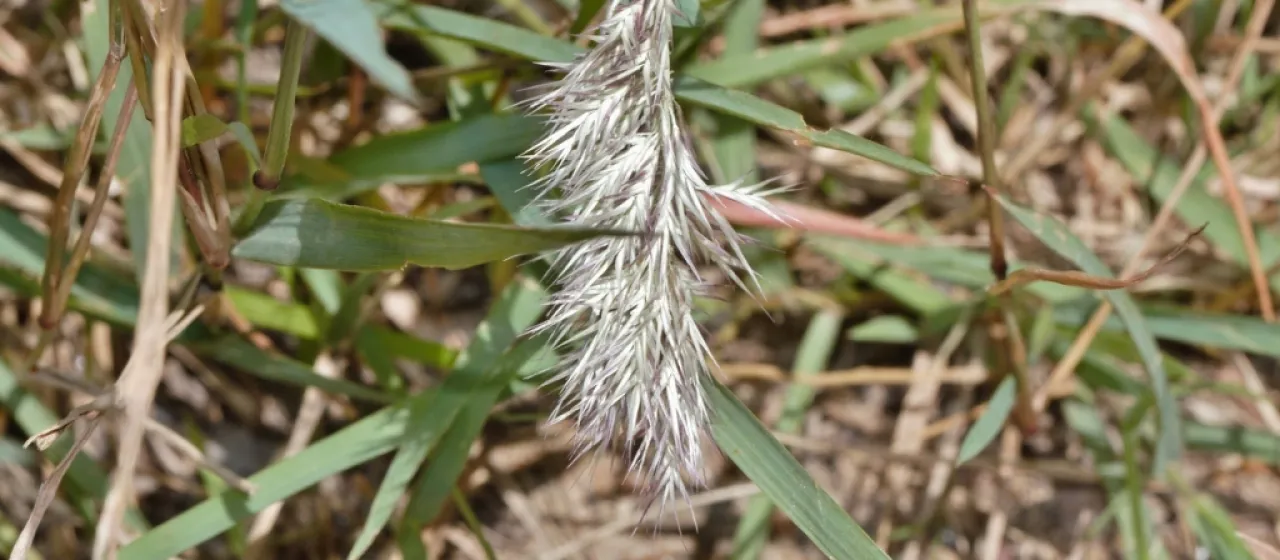
Description
Harpachne schimperi is a perennial grass species belonging to the Poaceae family. It is native to the tropical regions of Africa, where it plays a critical role in local ecosystems as a primary grazing resource. This plant is well-adapted to the specific environmental pressures of savannah landscapes and high-altitude plateaus.
Botanically, the plant is characterized by its tufted growth habit, which allows it to maintain ground cover even under harsh conditions. Its stems typically reach 30 to 80 cm in height and possess a robust structure. The leaves are narrow and often rolled, an adaptation that significantly reduces water loss through evaporation, making the plant highly efficient in arid environments.
In terms of agricultural requirements, Harpachne schimperi thrives in well-drained, sandy, or rocky soils. It is remarkably resilient to prolonged drought, which makes it a valuable asset for sustainable pasture management in regions prone to water scarcity. Proper land preparation should prioritize soil drainage, as the plant is susceptible to root rot if subjected to waterlogging for extended periods.
The primary agricultural use of this culture is as a forage source for cattle, sheep, and goats. It is highly valued for its ability to retain nutritional quality throughout the growth cycle, supporting livestock during dry seasons when other forage sources are depleted. Additionally, its extensive root system serves as an excellent stabilizer for soil, preventing erosion on degraded lands.
Typical challenges in managing this crop include various fungal pathogens that occur during the humid transitions between seasons, and grazing by local insect populations, such as locusts. Management practices should focus on maintaining optimal stocking densities to prevent overgrazing, ensuring the long-term productivity and survival of the grass stands in its natural range.