
Description
Harpochloa falx, commonly known as caterpillar grass, is a perennial grass species belonging to the Poaceae family. This species is recognized for its dense tufted growth habit and its ability to thrive in demanding environmental conditions, making it a subject of interest for sustainable grassland management.
The plant is native to the southern regions of Africa. Its natural distribution spans across various grasslands and mountain slopes where it is well-adapted to climatic conditions characterized by cycles of drought and rainfall. It thrives in open, sunny environments and is known for its resilience to harsh weather patterns.
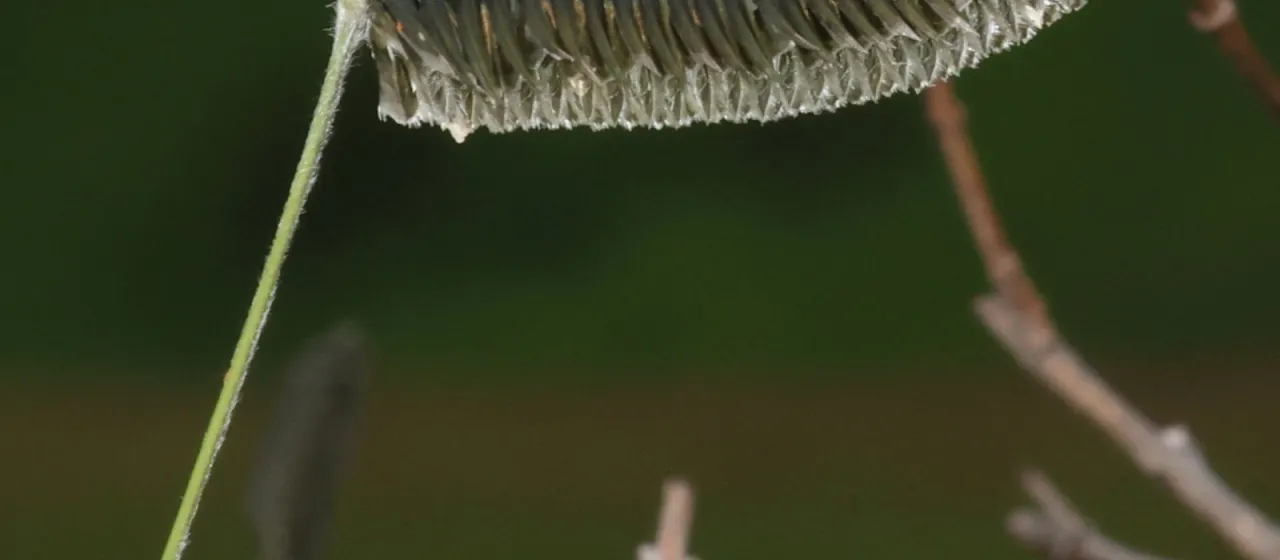
Botanically, Harpochloa falx is distinguished by its unique inflorescences that resemble caterpillars due to their curved, compact shape. The leaves are typically rigid and narrow, serving as an evolutionary adaptation to conserve moisture. Its robust, fibrous root system allows the plant to anchor effectively in various soil types.
Regarding agrotechnical requirements, the plant prefers well-drained soils, ranging from loamy to rocky substrates. It is relatively drought-tolerant once established and does not require intensive fertilization. Proper management includes rotational grazing, which prevents overgrazing and promotes healthy regrowth of the vegetative biomass.
The primary agricultural use of this species is in the development of grazing lands and the rehabilitation of degraded soils through erosion control. It provides essential forage for livestock in its native habitat. Common pests and diseases include typical fungal infections triggered by excessive soil moisture, which can be mitigated through proper drainage and site selection.