
Harrisia tortuosa
Harrisia tortuosa
Description
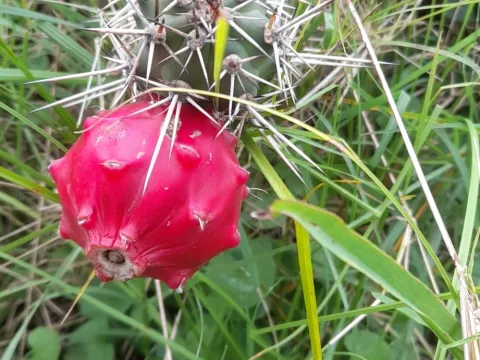
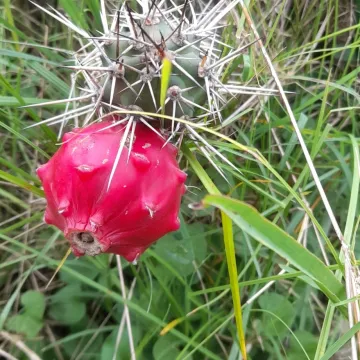
Harrisia tortuosa is a perennial succulent species belonging to the Cactaceae family. Often recognized for its long, sprawling, and somewhat twisted stems, this cactus is a fascinating subject for both botanists and succulent enthusiasts. The plant typically features sharp, well-developed spines along its ribs, providing a striking visual appearance that defines its growth habit in both wild and cultivated environments.
Originating from the South American regions of Argentina, Paraguay, and Uruguay, the plant is naturally adapted to arid shrublands and dry forest margins. Its cultivation range is currently dominated by specialized nurseries and private collections across the globe. Given its specific climatic requirements, it is widely grown in controlled environments like greenhouses, where growers can mimic its native subtropical conditions.
Botanically, Harrisia tortuosa is characterized by its nocturnal, large, and fragrant white flowers. The blooming process is a biological highlight, as the flowers are adapted for pollination by night-flying moths. Following successful pollination, the plant produces globular, often red or yellowish fruits, which contain numerous seeds that are vital for propagation and biodiversity within the species.
Successful agronomic management of this culture requires careful attention to soil composition and water cycles. It thrives in porous, well-draining mineral-rich substrates that mimic rocky terrains. Cultivation techniques emphasize the importance of bright, direct sunlight to prevent etiolation and to encourage robust growth. Proper temperature control during the dormant winter phase is essential to stimulate the reproductive health and spring flowering.
- Exposure to high-intensity light for at least six hours daily.
- Application of specialized succulent soil mixes with added perlite or pumice.
- Avoidance of water-logging to prevent root system collapse.
- Routine monitoring for common pests like mealybugs and spider mites.
The economic and practical utility of Harrisia tortuosa is primarily ornamental and horticultural. It serves as a popular plant for xeriscaping in suitable climates and is frequently utilized as a rootstock for grafting more sensitive or slow-growing cactus species. Due to its vigorous growth rate and overall hardiness, it remains a valuable resource for cactus hobbyists and niche plant nurseries.
Photo gallery