Haworthiopsis limifolia
Haworthiopsis limifolia (Marloth) G. D. Rowley
Description
Haworthiopsis limifolia is a perennial succulent species belonging to the Asphodelaceae family. Previously classified under the genus Haworthia, it has been taxonomically reclassified based on distinct morphological characteristics, including its characteristic leaf structure and growth patterns that differentiate it from its relatives.
Originating from the southern regions of Africa, specifically South Africa and Eswatini, this plant naturally thrives in rocky, well-draining soils. It is typically found in shaded or semi-shaded habitats, often nestled under shrubs or within rock crevices, which dictates its preference for filtered light rather than harsh direct sun.
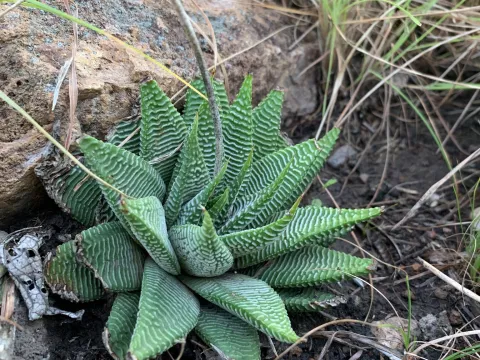
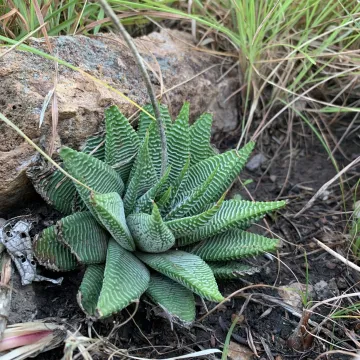
The botanical highlight of this species is its thick, succulent leaves that are arranged in a tight, rosette formation. The most identifying feature is the presence of prominent, transverse ridges on the leaf surface, which provides a striking texture. These leaves are typically dark green, though they may develop reddish-brown hues under specific light and stress conditions.
Cultivation requirements focus on mimicry of its native environment: porous, fast-draining substrate is mandatory to prevent root rot, which is the most common cause of plant failure. Watering should be infrequent, following a 'soak and dry' method, where the soil is allowed to dry out completely before the next irrigation cycle begins.
The plant is highly valued for horticultural use in indoor settings due to its slow growth rate, compact size, and high aesthetic appeal. While generally robust, growers should monitor for specific issues, including pests such as mealybugs or spider mites, and physiological problems like etiolation caused by insufficient light or root damage caused by overwatering.
Photo gallery