
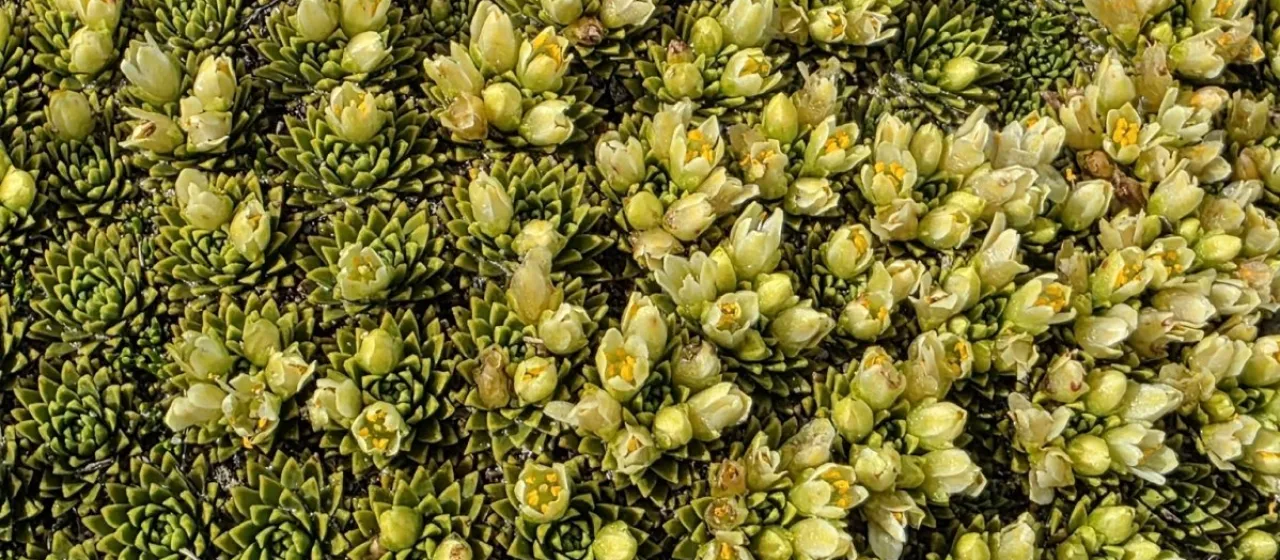
Description
Hectorella caespitosa is a fascinating perennial plant belonging to the Montiaceae family. Primarily known as a botanical rarity, it is native to the harsh high-altitude regions of New Zealand. While not utilized in large-scale commercial agriculture, it serves as a quintessential example of plant adaptation to extreme environmental pressures, often studied for its physiological resilience in alpine ecosystems.
The geographic range of Hectorella caespitosa is strictly confined to the alpine zones of the South Island, New Zealand. It is typically found inhabiting rocky ridges, exposed slopes, and fellfields at high elevations. Its distribution is governed by the need for specific microclimatic conditions, such as continuous airflow, intense solar radiation, and minimal soil cover, which characterize its natural alpine habitat.
Botanically, this species is characterized by its cushion-forming growth habit, which allows it to thrive in nutrient-poor substrates and withstand freezing temperatures. Its small, closely packed leaves reduce water loss and protect the plant from wind abrasion. The root system is specifically adapted to secure the plant firmly into rocky crevices, providing stability and access to deep-seated moisture during dry spells.
In terms of cultivation and agricultural maintenance, Hectorella caespitosa requires highly specialized conditions. The soil must be exceptionally well-draining, consisting primarily of mineral grit or rock fragments. Unlike standard crops, it does not require high nitrogen levels; rather, it performs best in lean, inorganic substrates. Maintaining a cool, airy environment is essential to replicate its natural alpine origin and prevent physiological stress.
Economic and horticultural use is limited to specialty collections and conservation efforts, as the plant is not a staple agricultural crop. When maintaining Hectorella in controlled environments, growers should monitor for the following challenges:
- Susceptibility to root rot caused by poor drainage or stagnant water.
- Infection risks from fungal pathogens in high humidity conditions.
- Vulnerability to heat stress if the temperature exceeds its alpine comfort zone.