
Description
Madeira ivy (Hedera maderensis) is an evergreen woody vine belonging to the Araliaceae family. Renowned for its vigorous growth and lush, large-leaved foliage, this plant is a staple in landscaping projects, particularly for vertical gardening and ground coverage in temperate climates.
Native to the island of Madeira, this species thrives in humid, mild environments. Its natural habitat includes woodland areas where it utilizes trees or rocky formations as support. Because of its origin, the plant has developed a high tolerance for varied light conditions, ranging from full shade to dappled sunlight.
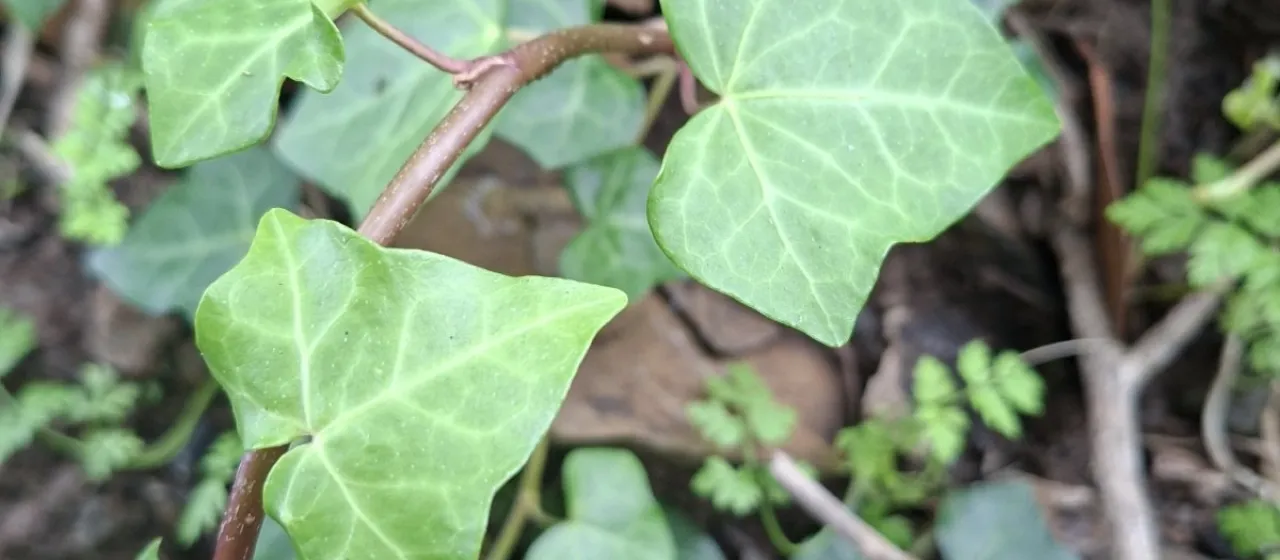
Botanically, the plant is characterized by thick, glossy, and leathery leaves that often exhibit a distinct lobed shape. Hedera maderensis uses adventitious roots to climb surfaces effectively. Its structural integrity makes it an ideal candidate for erosion control on slopes or for covering large masonry walls in urban settings.
Successful cultivation requires attention to soil quality; the ideal growing medium is nutrient-rich with a slightly acidic to neutral pH and excellent drainage capacity. Agronomic practices should focus on maintaining consistent soil moisture, especially during the establishment phase. While the plant is relatively hardy, it benefits from occasional pruning to maintain its form and promote thicker foliage growth.
Like other ivy species, Madeira ivy is susceptible to certain environmental stresses and biological threats. Maintaining proper air circulation is essential to prevent common issues such as:
- Scale insects and spider mites under dry air conditions.
- Leaf spot pathogens triggered by poor air circulation.
- Root rot resulting from waterlogged or heavy soils.
- Mildew development in high-humidity, low-light environments.