
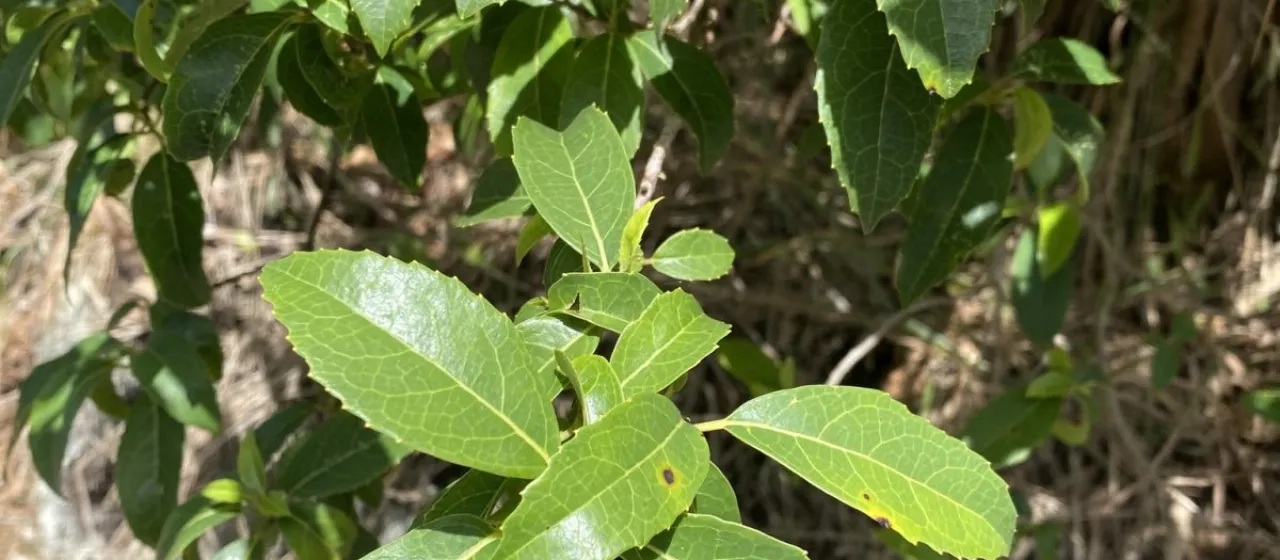
Description
Native mulberry (Hedycarya angustifolia) is a distinctive evergreen shrub or small tree belonging to the Monimiaceae family. Native to the cool temperate rainforests and moist gullies of eastern Australia, this plant plays a crucial role in local forest biodiversity. It is well-regarded for its adaptability to sheltered environments and its role in supporting native bird populations through its fruit production.
Botanically, the plant is distinguished by its leathery, serrated leaves and its dioecious nature, meaning male and female flowers are borne on separate plants. The fruits are succulent, orange-to-red drupes that ripen in clusters, providing an essential food source for wildlife. The species can grow into a dense, shade-tolerant tree, typically reaching heights of up to 8 meters, making it a valuable structural component of shaded garden landscapes.
Cultivation requirements for Hedycarya angustifolia focus on providing a stable, moist microclimate. It thrives in fertile, well-drained soils rich in organic matter. While it is hardy in sheltered conditions, the plant is susceptible to severe frost and direct, intense heat. Providing a layer of organic mulch around the base of the plant is highly recommended to maintain consistent soil moisture and temperature stability, which are critical for its survival and growth.
Economically and horticulturally, this species is primarily utilized for landscape design and environmental rehabilitation projects. It is an excellent choice for revegetation of degraded riparian zones due to its dense root system and ability to compete with understory weeds. It is increasingly popular in permaculture and restoration forestry for creating biodiversity-rich environments that mimic the natural structure of native Australian forests.
- Requires consistent watering during the establishment phase.
- Prefers partial to full shade to protect foliage from sunscorch.
- Thrives in humus-rich, slightly acidic soil.
- Benefit from periodic application of organic fertilizers.
Regarding pest and disease management, the native mulberry is generally robust. However, it can occasionally be affected by scale insects or root rot caused by poor soil drainage. Maintaining good horticultural hygiene, ensuring proper drainage, and conducting regular visual inspections for pests are the most effective strategies for keeping the plant in optimal health within a controlled or garden setting.