
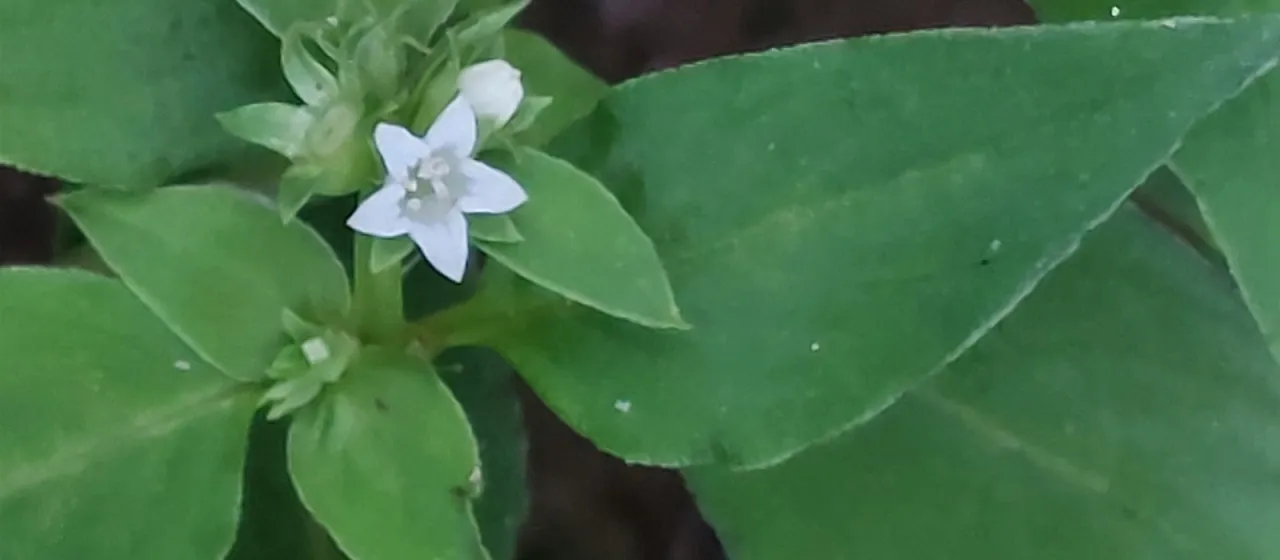
Description
Hedyotis lindleyana is a distinctive herbaceous plant belonging to the Rubiaceae family. As a lesser-known botanical subject, it holds interest for both researchers and enthusiasts of specialized plant cultivation. Its classification within the Madder family places it alongside many economically and biologically significant species, though it retains its own unique niche in botanical studies.
The plant originates from the tropical regions of Asia, where it is found in moist habitats such as forest floors and shaded areas. Its native environment is characterized by high humidity, moderate temperatures, and filtered sunlight, which essentially dictates the fundamental requirements for its successful cultivation in agricultural or home gardening settings.
Botanically, Hedyotis lindleyana is defined by its slender, branching stems and oppositely arranged leaves. The inflorescences are generally small but numerous, typical of the genus Hedyotis. Its root system is relatively shallow, which is an adaptation to environments where nutrients are concentrated in the uppermost layer of the soil, often covered with organic forest litter.
Cultivation requires specific attention to soil conditions; it thrives in well-draining, nutrient-rich substrates that mimic forest soil. Proper moisture management is critical, as the plant does not tolerate drought or stagnant water. Providing a stable environment with diffuse light helps the plant develop its characteristic foliage density and prevents stress-related growth inhibition.
- Consistency in irrigation to maintain stable soil moisture.
- Utilization of acidic or neutral substrates rich in organic matter.
- Protection from direct intense sunlight to avoid leaf scorching.
- Regular monitoring for pests such as aphids or spider mites.
In terms of practical application, the species is primarily utilized for ornamental purposes and botanical research. Potential diseases include root rot in cases of poor drainage and powdery mildew under stagnant air conditions. Effective management involves maintaining high sanitation standards in the growing area and ensuring adequate ventilation to promote plant health and vitality.