
Description
Hedysarum boutignyanum is a perennial herbaceous plant belonging to the Fabaceae family. As a specialized legume, it has evolved to thrive in challenging high-altitude environments. Its ability to fix atmospheric nitrogen and adapt to harsh climatic conditions makes it an interesting subject for agricultural research, particularly for developing forage crops capable of growing in nutrient-poor alpine regions.
The plant originates from the European mountain systems, with the Alps being its primary natural habitat. The distribution area of Hedysarum boutignyanum is largely restricted to rocky, well-drained slopes. These areas are characterized by thin, skeletal soils where the plant acts as a pioneer species, stabilizing the ground and contributing to the gradual enrichment of the ecosystem.
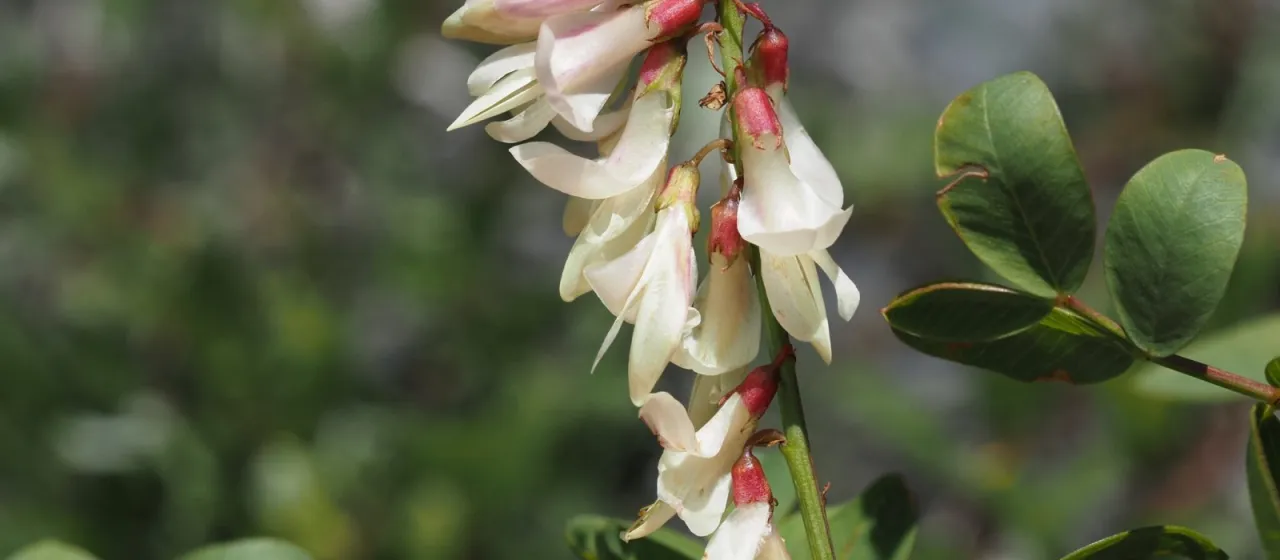
Botanically, Hedysarum boutignyanum displays a robust root structure designed to anchor the plant firmly in rocky substrates. Its foliage consists of pinnate leaves, and its inflorescences are distinct clusters of purple-pink flowers. These floral structures are not only aesthetically significant but also highly attractive to various pollinators, playing a vital role in maintaining the local biodiversity of the pastures where it grows.
The cultivation requirements for this crop are dictated by its alpine origin. It is a heliophilous species that demands excellent soil aeration and high sunlight exposure. It does not tolerate waterlogging, as the root system is prone to decay in stagnant water. Successful agricultural management requires selecting sites with good drainage and ensuring minimal competition from weeds during the seedling establishment phase.
In terms of agricultural utility, the species is recognized for its forage potential, providing high-quality biomass rich in proteins and essential nutrients. Regarding plant protection, typical issues involve susceptibility to common legume diseases such as powdery mildew or rust if moisture levels are poorly managed. Consistent monitoring and appropriate crop rotation are essential to prevent the buildup of soil-borne pathogens in commercial stands.