
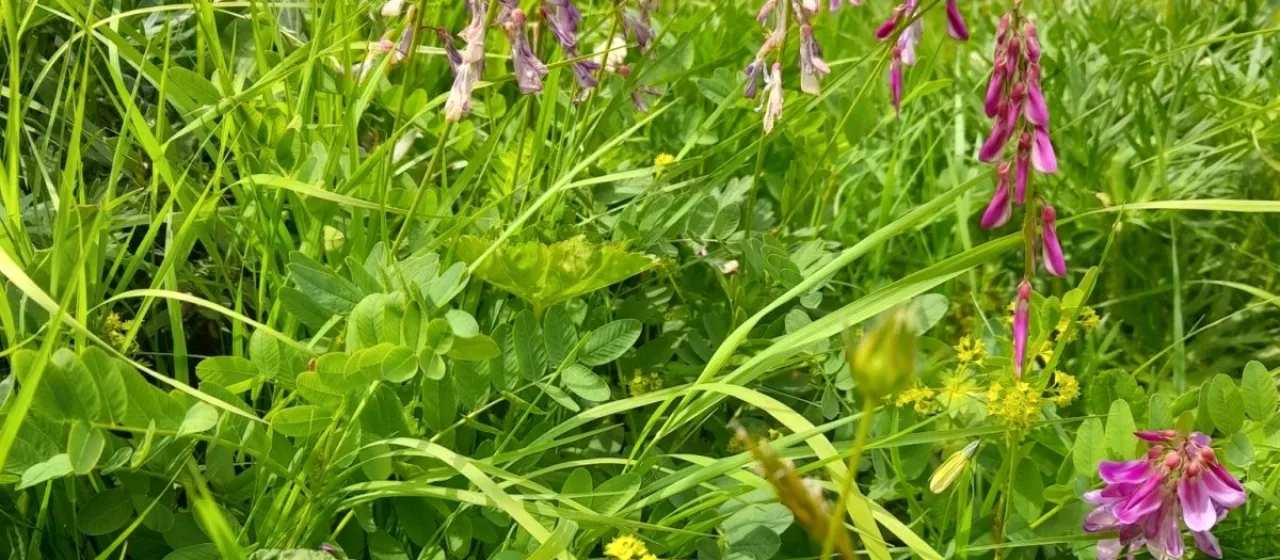
Description
Briançon sainfoin (Hedysarum brigantiacum) is a perennial herbaceous plant belonging to the legume family (Fabaceae). This species is specifically adapted to high-altitude alpine environments, where it serves as a critical component of the mountain ecosystem. Its biological architecture allows it to thrive in nutrient-poor, stony soils where many other crops fail.
The origin of this species is traced to the Southwestern Alps, particularly the Briançon region. It is recognized as an endemic plant that has evolved to withstand extreme temperature fluctuations and intense solar radiation. Due to these characteristics, it is often studied as a model for hardiness in agricultural breeding programs focused on mountainous regions.
Botanically, the plant features a deep taproot that facilitates mineral uptake and provides stability against soil erosion. Its foliage is composed of pinnate leaves, while the flowers are arranged in dense racemes, attracting various pollinators. The plant forms a symbiotic relationship with nitrogen-fixing bacteria, which enhances soil fertility and makes it an environmentally friendly crop.
Cultivation requirements for Briançon sainfoin emphasize the need for well-draining soil and exposure to full sunlight. It is highly intolerant of waterlogging, which can lead to rapid decay of the root system. Proper management involves careful weed control during the establishment phase, as the plant grows relatively slowly compared to common forage grasses.
The primary economic use of this plant is in forage production for high-mountain livestock grazing. It is prized for its high nutritional density and protein content.
- Excellent drought tolerance
- Soil nitrogen enrichment
- Valuable pollinator habitat
- High-protein fodder source
In terms of plant health, the most common threats are fungal infections that thrive in stagnant, humid conditions. Preventive measures include ensuring optimal air circulation around the plants and avoiding overcrowding. While specific insects may inhabit the plant, they generally do not reach pest status unless the crop is already stressed by improper environmental conditions.