
Description
Hedysarum cretaceum is a perennial herbaceous plant belonging to the legume family (Fabaceae). This species is well-adapted to alkaline, chalky, and nutrient-poor soils, where it demonstrates remarkable resilience and serves as a vital component in specialized ecosystem restoration programs.
Its natural habitat is restricted primarily to the chalk outcrops of Eastern Europe. As an agricultural crop, it is increasingly recognized for its role in reclaiming degraded lands and providing high-quality forage in regions where environmental conditions limit the productivity of more common legume species.
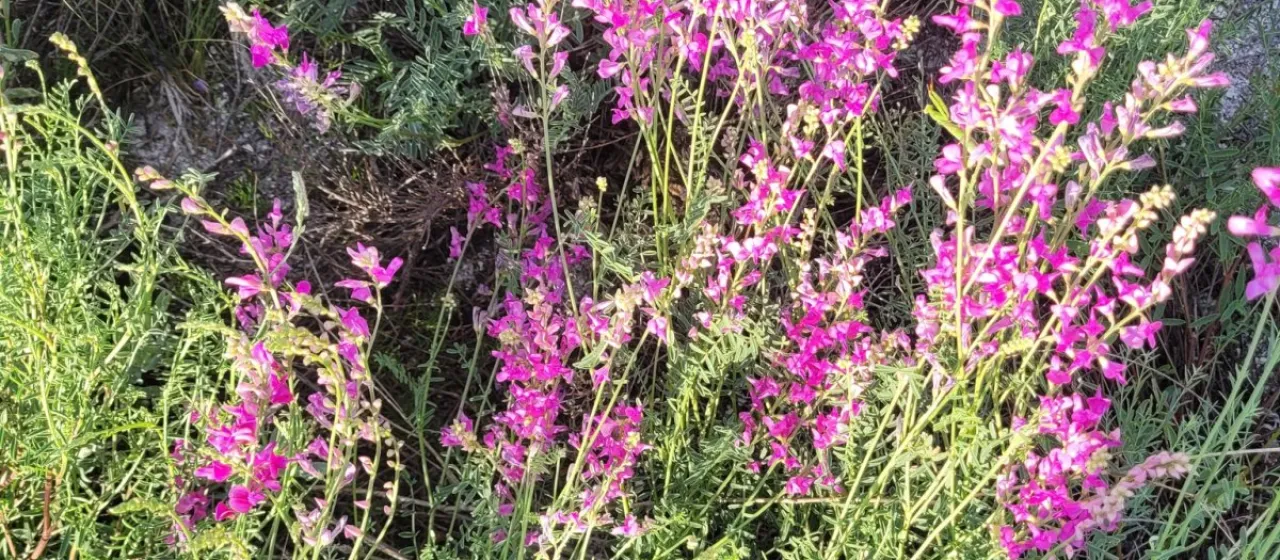
Botanically, the plant features a deep taproot system, which allows it to thrive in arid conditions by accessing deep water reserves. It produces pinnate leaves and vibrant pink-purple flowers arranged in dense racemes. The fruits are typical of the genus: articulated pods that facilitate seed dispersal in its native environment.
Agronomic requirements for this crop include full sun exposure and well-drained, alkaline soils. It is highly resistant to drought and frost, making it an excellent candidate for low-input farming systems. It does not tolerate waterlogging, so proper field site selection is crucial for success in cultivation.
The primary agricultural applications of Hedysarum cretaceum include:
- Nutritious livestock forage due to high protein content in the foliage.
- Soil stabilization and erosion control on sloped, nutrient-depleted landscapes.
- Nitrogen fixation, which contributes to the natural enrichment of the soil.
Common pests include specialized curculionid beetles that target the reproductive parts of the plant. Pathological issues typically involve fungal diseases like powdery mildew, which can become prevalent under conditions of high humidity or poor airflow. Maintaining optimal plant density is essential for mitigating disease risk in commercial fields.