
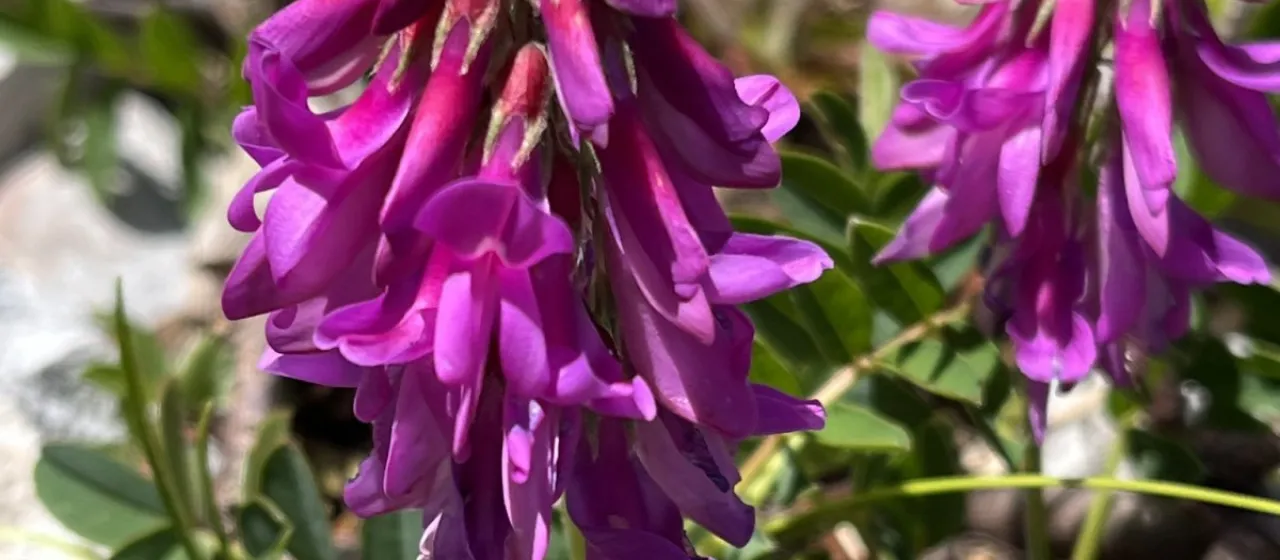
Description
Hedysarum hedysaroides, commonly known as alpine sweetvetch, is a perennial herbaceous plant belonging to the Fabaceae family. As an agricultural crop, it is highly valued for its ability to thrive in challenging, high-altitude environments where traditional forage crops often fail to establish.
Native to the mountain regions of Eurasia, including the Alps, Carpathians, and Siberian highlands, this species has adapted to thin soils and cool climates. Its geographic range signifies a high degree of cold tolerance, making it an excellent candidate for regions with short growing seasons and harsh winter conditions.
Botanically, the plant is characterized by a deep taproot that stabilizes the soil and accesses nutrients in lower soil horizons. The leaves are odd-pinnate, and the inflorescences form dense, raceme-like clusters of vibrant purple flowers, which also serve as a source of nectar for pollinators in alpine ecosystems.
The agrotechnical requirements for growing Hedysarum hedysaroides emphasize the importance of well-drained, porous soils. It performs best on neutral to slightly alkaline substrates and is particularly sensitive to waterlogging. Planting should focus on sunny, open areas that facilitate rapid snowmelt and soil aeration in the spring.
- Excellent nutritional profile for ruminant livestock.
- Significant nitrogen-fixing capability improving soil fertility.
- Exceptional hardiness against frost and temperature fluctuations.
- Effective utility in erosion control on sloped terrains.
Its primary agricultural use lies in the establishment of high-altitude pastures and the production of nutrient-rich forage. Furthermore, the species is increasingly recognized for its medicinal potential, as its root system contains beneficial bioactive compounds that have been traditionally used in various health preparations.