
Description
Hedysarum vicioides is a perennial herbaceous plant belonging to the Fabaceae family. Known for its resilience and nutritional value, it serves as an important leguminous crop in various agricultural systems, particularly in regions where soil fertility improvement is a priority through biological nitrogen fixation.
Originating from the temperate regions of Eurasia, this species is well-adapted to diverse climatic conditions. Its natural distribution includes montane areas and meadowlands, indicating a high tolerance for varying moisture levels and seasonal temperature fluctuations, including frost resistance during dormant periods.
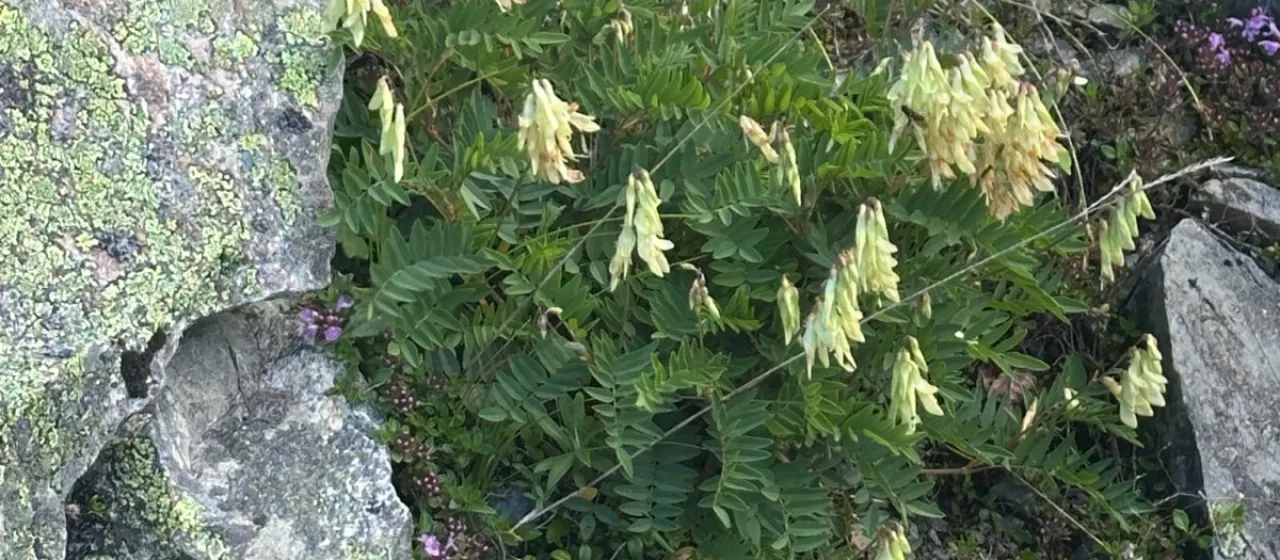
Botanically, the plant is distinguished by a deep taproot system, which contributes to its significant drought tolerance. The stalks are typically upright or ascending, reaching heights of 30 to 60 centimeters. The leaves are odd-pinnate with slender leaflets, a feature that provides the plant with its characteristic foliage density and aesthetic resemblance to common vetch.
Regarding cultivation requirements, the crop favors well-drained loamy or chernozem soils with a neutral pH level. Effective agronomic practices include consistent weed management during the establishment phase and adequate fertilization with phosphorus and potassium to boost biomass production and enhance the plant's natural disease resistance.
In terms of agricultural utility, Hedysarum vicioides is primarily cultivated as a high-protein source of livestock forage, suitable for grazing or hay production. It also acts as an effective erosion control agent on sloping landscapes. Common phytosanitary issues include rust fungi and spot diseases, which are typically managed through proper crop rotation and field sanitation.