
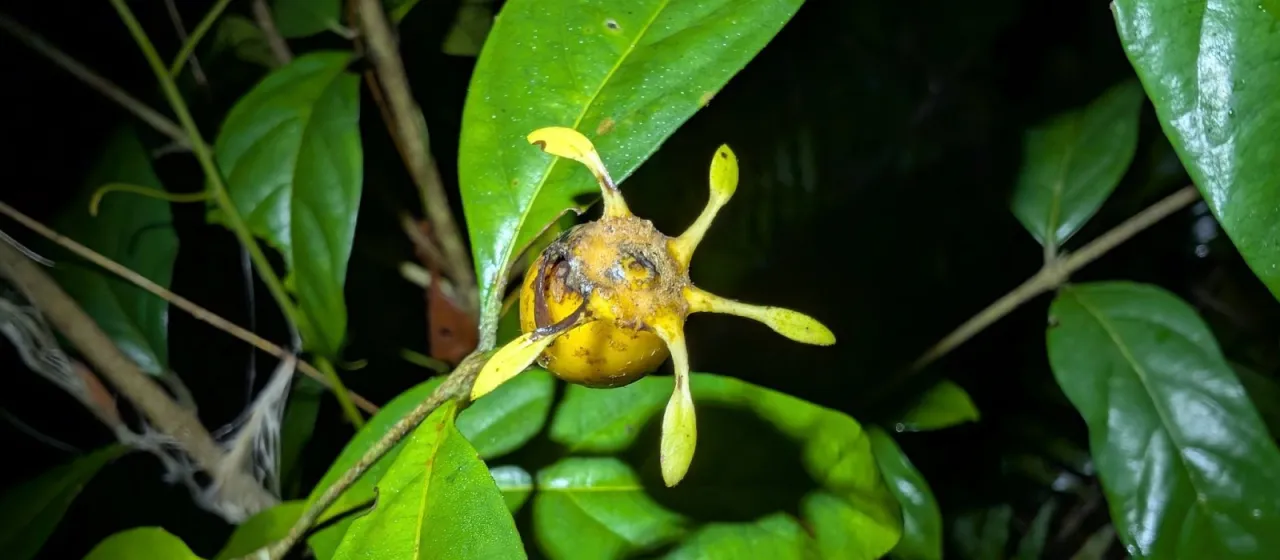
Description
Heinsia crinita, commonly known as a valuable tropical shrub, belongs to the Rubiaceae family. It is a perennial plant primarily cultivated in the humid tropical regions of West and Central Africa. Due to its nutritional qualities, it is considered a significant leafy vegetable crop for local communities.
The plant originates from the tropical forests of Africa, where it naturally thrives in the understory. Its distribution is closely linked to regions with consistent rainfall and warm temperatures. In an agricultural context, it is gradually being domesticated to meet the increasing demand for indigenous vegetables.
Botanically, Heinsia crinita is characterized by its glossy, lanceolate leaves and delicate, aromatic white flowers. It typically grows as a dense bush reaching a moderate height. The root system is efficient at nutrient uptake, allowing the shrub to persist in diverse soil types within its native range.
Regarding cultivation requirements, the plant prefers fertile, well-draining soils with a slightly acidic pH. It performs best in shaded or semi-shaded environments, mimicking its natural habitat. Proper agricultural management involves regular weeding and maintaining optimal soil moisture to ensure vigorous leaf production.
The primary use of the plant is in culinary applications, where leaves and tender shoots are harvested for soups and stews. It is a vital source of dietary protein and minerals. While the plant is generally robust, growers should monitor for typical tropical pests and fungal diseases to protect the crop during the peak growing season.