Heldreich's maple
Acer heldreichii Orph. ex Boiss.
Description
Heldreich's maple (Latin: Acer heldreichii) is a deciduous tree species belonging to the Sapindaceae family. This tree is highly valued for its elegant foliage and architectural structure, making it a prominent candidate for ornamental forestry and landscape design applications throughout temperate regions.
The species originates from the mountainous regions of the Balkan Peninsula, specifically across Greece, Bulgaria, and Albania. Its natural habitat is characterized by mountain forests where it grows in cool, moderately moist climates, demonstrating a strong resilience to variable high-altitude weather conditions.
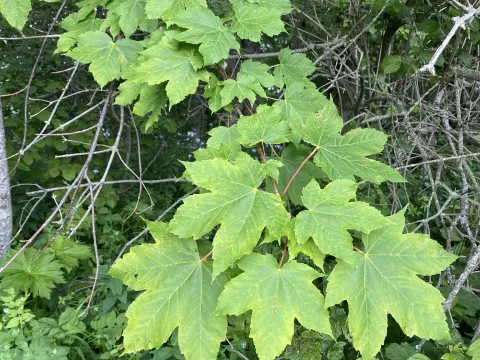
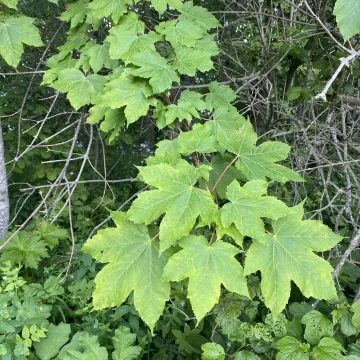
Botanically, this maple is distinguished by its deeply lobed leaves, which display a brilliant green hue during the growing season and transform into vibrant yellow or orange tones in autumn. The tree typically develops a spreading crown and a straight trunk, contributing to its status as a visually appealing specimen tree in parks and gardens.
Successful cultivation requires well-drained, fertile soil with a neutral or slightly acidic pH balance. While the tree can tolerate partial shade, it performs best when exposed to direct sunlight for the majority of the day. Consistent moisture levels are vital during the first few years of establishment, although the tree exhibits good drought tolerance once mature.
Beyond its ornamental value, Heldreich's maple is studied for its role in maintaining biodiversity within forest ecosystems. Like other maple species, it can be susceptible to common pests such as aphids or fungal issues like leaf spot, which are manageable through proper plant hygiene, regular pruning to ensure airflow, and targeted integrated pest management strategies.
Photo gallery