
Description
Heliamphora nutans is a distinctive carnivorous plant species belonging to the Sarraceniaceae family. As a specialized perennial herb, it has adapted to nutrient-poor environments by evolving pitcher-shaped leaves that capture and digest insects to supplement its mineral intake.
This species is native to the high-altitude tepuis of the Guiana Highlands in South America, spanning across Venezuela, Brazil, and Guyana. Its natural habitat consists of mist-covered plateaus where the plant grows in rocky crevices or moist mossy substrates, thriving in cool temperatures and high humidity.
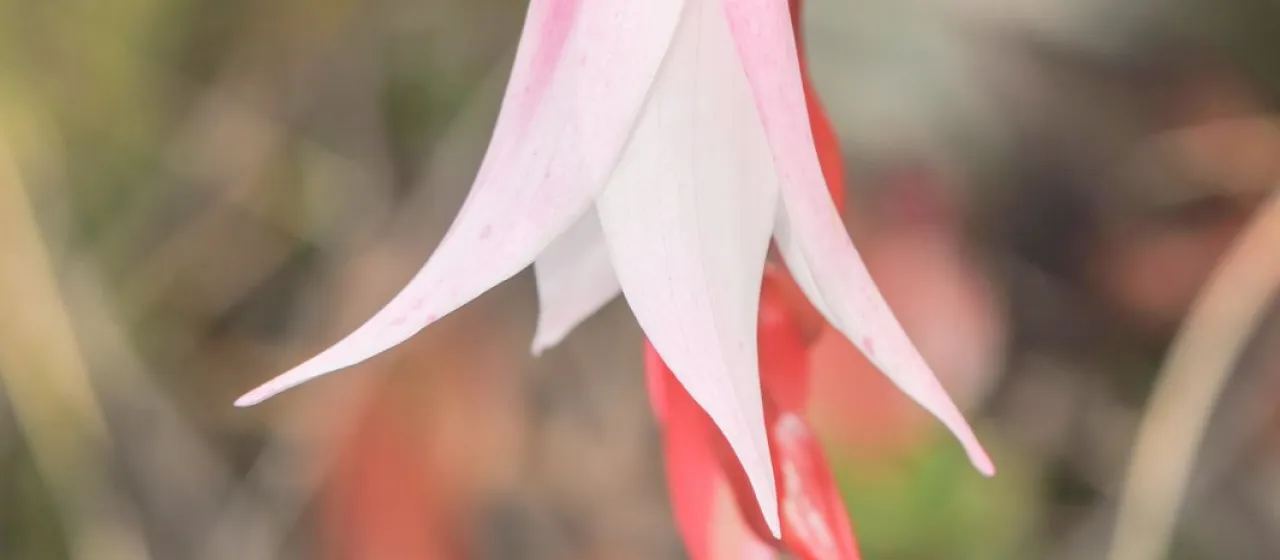
Botanically, Heliamphora nutans is characterized by a rosette of tubular leaves featuring a nectar-secreting appendage at the apex. The pitchers possess an inner lining of downward-pointing hairs, preventing prey from escaping. Its flowers are typically nodding, white to light pink in color, which serves as a protective mechanism against the frequent rains in its native environment.
Cultivation requires precise environmental control to replicate its mountain habitat. The grower must provide bright, indirect light, consistent high humidity, and a well-aerated, nutrient-poor substrate, typically composed of live sphagnum moss mixed with perlite or silica sand. Proper ventilation is essential to prevent root rot and fungal pathogens.
- Light: High levels of diffused sunlight.
- Watering: Use only distilled or reverse osmosis water.
- Temperature: Daytime range of 20-25°C, with a significant drop at night.
- Pests: Watch for aphids and mealybugs.
The agricultural and commercial utility of Heliamphora nutans is primarily focused on the ornamental hobbyist sector and botanical research. While not a conventional crop, it represents a high-value niche plant in the international trade of carnivorous flora, requiring professional horticultural skills for long-term survival in domestic settings.