
Description
The Southeastern sunflower (Helianthus agrestis) is an annual flowering plant belonging to the Asteraceae family. Unlike the common agricultural sunflower, this species is noted for its niche environmental requirements and restricted geographic distribution, which makes it a subject of specific botanical interest.
Originating from the southeastern United States, particularly Florida, this plant has adapted to survive in environments that are typically inhospitable to other sunflower species. It is primarily found in wet prairies, marshes, and open, low-lying areas where the soil remains saturated for significant portions of the growing season.
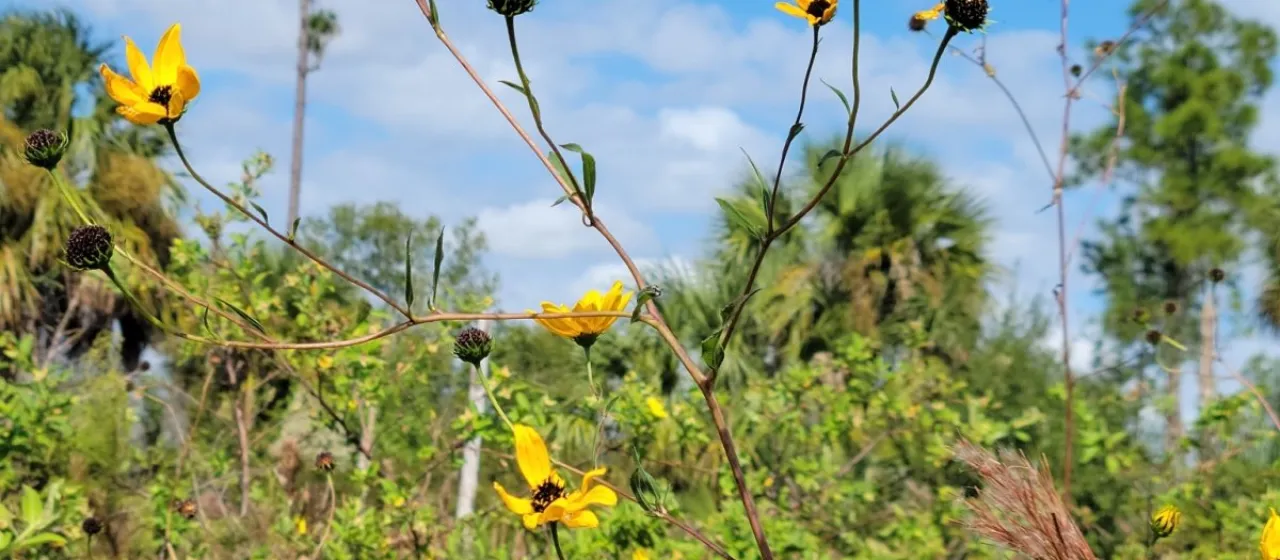
Botanically, Helianthus agrestis exhibits a slender growth habit with distinctively narrow leaves. The flower heads consist of vibrant yellow ray florets encircling a dark, productive central disk. Its root architecture is specifically evolved to tolerate poor aeration and high water tables, providing the plant with a competitive advantage in wetland ecosystems.
Regarding agrotechnology, the species is not cultivated as a mass crop, but its environmental preferences dictate that it requires high soil moisture and intense sunlight to thrive. In a controlled or experimental setting, growers must replicate these wetland conditions to ensure proper development. Its primary agricultural significance lies in the field of plant breeding, where it serves as a genetic reservoir for traits such as flood tolerance.
Typical threats include fungal pathogens that flourish in humid climates, such as rusts and powdery mildew. Effective management requires constant monitoring of soil moisture levels to prevent root rot in non-native environments. Future research continues to focus on how the unique genetic makeup of this sunflower can contribute to the development of climate-resilient crop varieties.