
Description
Narrow-leaf sunflower (Helianthus angustifolius) is a robust perennial herbaceous plant belonging to the Asteraceae family. Unlike common commercial sunflowers grown for seed or oil production, this specific species is widely recognized for its high ornamental value and remarkable ability to thrive in damp environments where other species might fail.
The plant is native to the central and eastern parts of the United States. It naturally occurs in habitats such as wet prairies, marshes, and riverbanks. This environmental adaptation makes it an excellent choice for gardeners looking for plants that can handle intermittent soil moisture and challenging site conditions within a temperate climate zone.
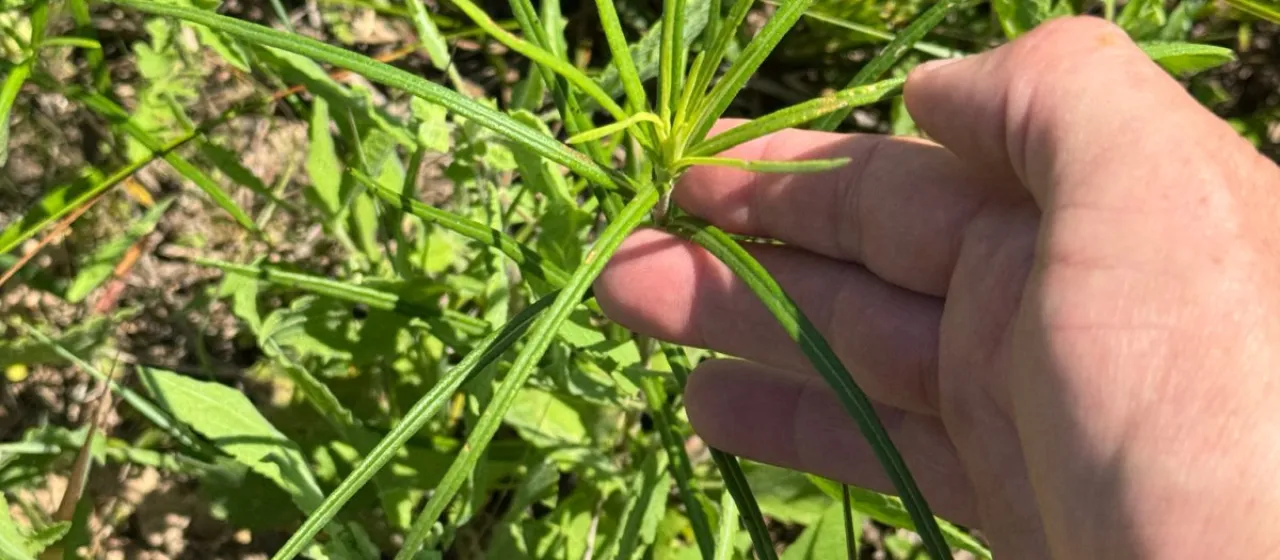
Botanically, it features tall, sturdy stalks covered in thin, willow-like foliage, which distinguishes it from the broader-leaved annual sunflower varieties. During its peak flowering season, which occurs from late summer to mid-autumn, the plant produces an abundance of brilliant yellow flowers with dark centers, providing a vital late-season nectar source for bees, butterflies, and other pollinators.
Cultivation requirements focus on providing a site with full sun exposure and fertile, well-draining soil that retains moisture. While the plant is quite hardy, routine maintenance includes light pruning after the first frost to manage its spread and application of organic mulch to keep the root system cool and moist during hot summer spells.
In terms of agricultural and horticultural use, the narrow-leaf sunflower is primarily utilized in sustainable landscape design and native plant restoration projects. Its resilience makes it an ideal candidate for rain gardens, meadows, and wildlife-friendly planting schemes. The plant is generally free from severe pest outbreaks, provided it is grown in conditions matching its natural ecological niche.
- Excellent nectar source for late-season pollinators.
- High tolerance to various soil types, including heavy clay.
- Deer and rabbit resistance in most environments.