
Description
The Smooth sunflower (Helianthus laevigatus) is a perennial herbaceous plant belonging to the Asteraceae family. Distinguished by its relatively slender stature and unique foliage characteristics, this species serves as an important genetic resource and a classic example of North American prairie flora.
Native to the eastern United States, Helianthus laevigatus is predominantly found in dry woods, rocky slopes, and open clearings. Its geographical distribution highlights its evolutionary adaptation to diverse soil types and varying sunlight availability, which explains its resilience when incorporated into managed landscapes or restoration projects.
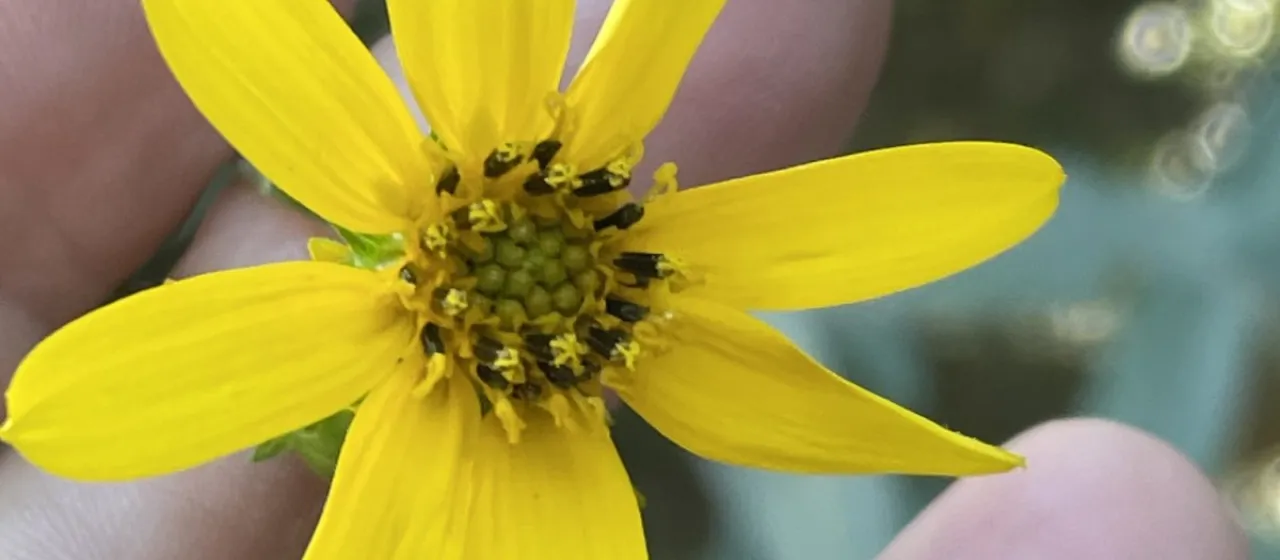
From a botanical standpoint, the species is identified by its glabrous (smooth) stems and leaves, which lack the rough trichomes found on many other species in the genus. The lanceolate leaves are typically opposite, and the plant produces medium-sized yellow flower heads in late summer, providing a consistent late-season nectar source for pollinators.
Agricultural and gardening requirements focus on selecting sites with well-drained soil and full sun exposure. The species is notably drought-tolerant once established, reducing the need for intensive irrigation. Basic maintenance involves late-winter or early-spring pruning to clear dead growth and promote vigorous new shoots during the subsequent growing season.
The primary utility of the Smooth sunflower lies in landscape architecture, ornamental horticulture, and biodiversity conservation. Like many members of the Asteraceae family, the plant is susceptible to certain biological stressors that require management:
- Powdery mildew outbreaks in areas with poor air circulation.
- Infestations of aphids on developing flower buds.
- Rust fungi that may appear during humid, warm periods of the late season.