
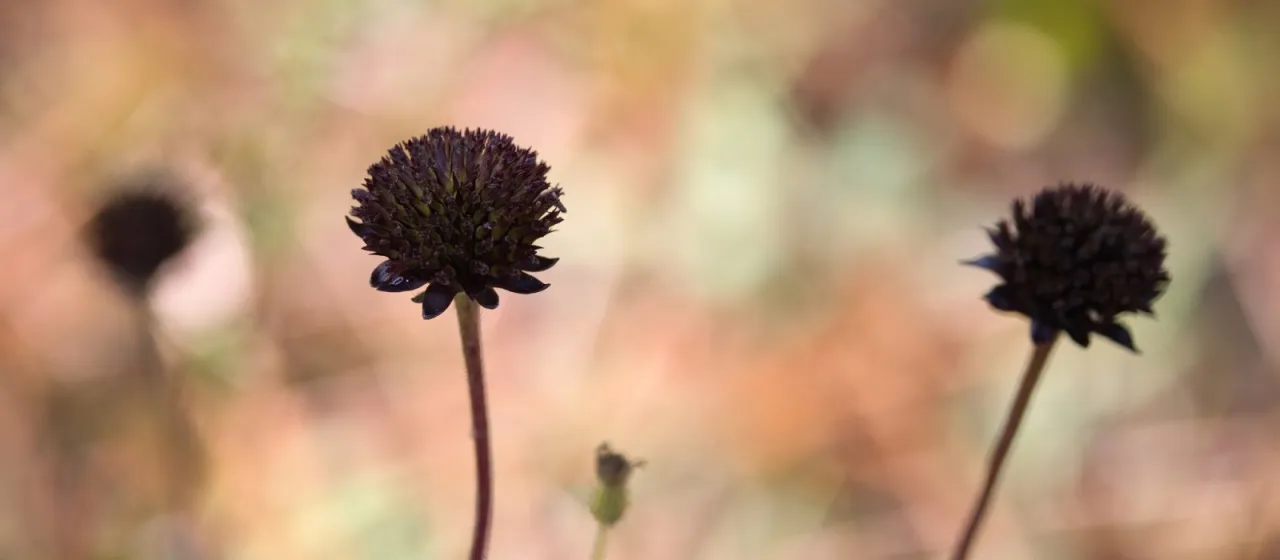
Description
Stiffleaf sunflower (Helianthus radula) is a perennial herbaceous plant belonging to the Asteraceae family. Unlike commercial varieties of sunflower, this specific species is primarily recognized for its unique ecological adaptations and distinct morphological features that differentiate it from other members of the genus Helianthus.
The plant originates from the southeastern United States, with a distribution range primarily covering sandy, moist habitats across states like Georgia, South Carolina, and Florida. It is naturally adapted to pine flatwoods and open savanna-like landscapes, thriving in environments that provide consistent solar exposure and specific soil moisture levels.
Botanically, Helianthus radula is characterized by its stiff, sandpaper-like leaves, which serve as its primary identifier. The stem is typically erect and slightly branched, carrying small to medium-sized flowering heads with bright yellow ray florets. The plant's root system is well-adapted to sandy, low-nutrient soils, allowing it to compete effectively in its native habitat.
Regarding climate and soil requirements, this species favors well-drained, slightly acidic to neutral sandy soils. It is quite drought-tolerant once established but performs best when given consistent moisture during the early growth stages. Agronomic management involves ensuring minimal weed competition and providing enough space to prevent overcrowding, which can lead to poor air circulation.
The primary utility of this plant is found in native landscape restoration and ornamental horticulture. Its aesthetic value, combined with its ability to support local pollinator populations, makes it a candidate for sustainable garden design. In agricultural research, it serves as a genetic repository for traits related to drought tolerance and resistance to soil-borne stresses common in sandy landscapes.
- Distinctive rough foliage texture.
- Excellent adaptation to sandy, well-drained soils.
- Pollinator-friendly floral characteristics.
- Perennial growth habit suitable for local climates.
Common issues include powdery mildew, especially in humid or poorly ventilated conditions, and aphid infestations on younger, tender growth. Growers should implement integrated pest management (IPM) strategies, including proper spacing to improve airflow and targeted application of ecological control agents to manage populations of sap-sucking insects without disturbing local beneficial fauna.