
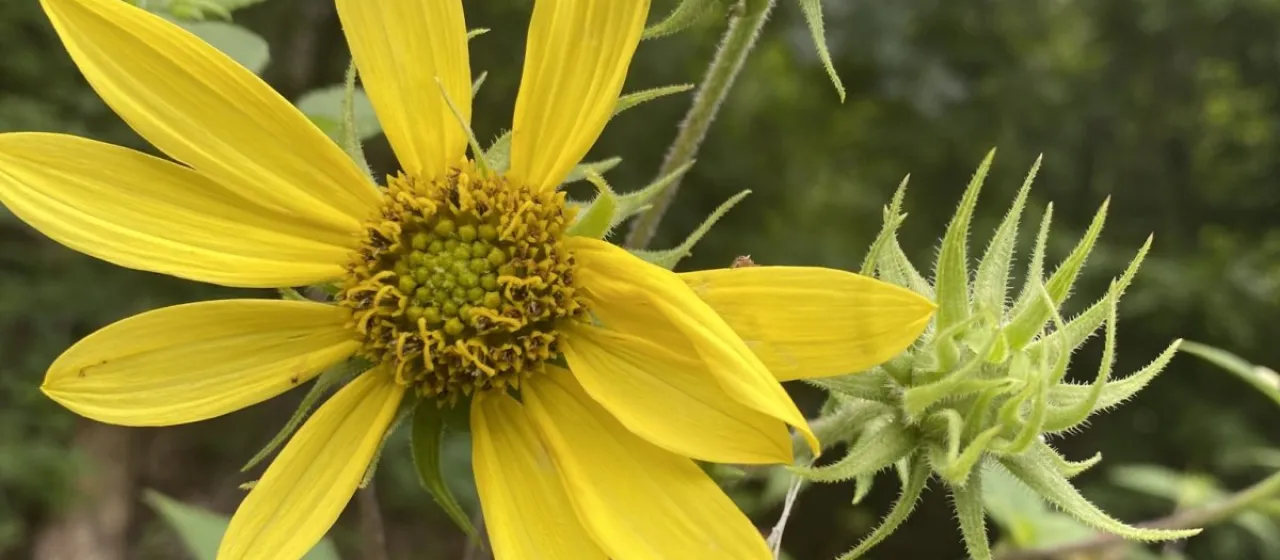
Description
Resinous sunflower (Helianthus resinosus) is a perennial herbaceous plant belonging to the Asteraceae family. Distinguished by its specialized root system featuring tuberous growths, this species is noted for the presence of resinous compounds within its tissues, which provide a unique biochemical profile compared to the common annual sunflower.
Originating from North America, this species is naturally found in moist meadows and river floodplains. Its ability to thrive in diverse environments has led to its introduction in various global agricultural regions, where it is increasingly recognized for its potential as a sustainable biomass crop for industrial and animal feed applications.
Botanically, the plant is characterized by a robust, tall stem reaching up to three meters in height and leaves that exhibit a rough texture. A key trait is its perennial nature, as it regenerates annually from an extensive network of underground rhizomes. The floral heads are smaller than those of typical sunflowers but appear in significant density during the blooming season.
Cultivation requirements involve fertile, well-draining soils with adequate moisture content. While the crop is quite adaptable, optimal biomass yields are achieved in full sun exposure. Agricultural management typically focuses on initial site preparation and the regulation of planting density to prevent the crop from becoming invasive or overly competitive within the field space.
The agricultural and industrial utility of this plant includes:
- Production of biomass for renewable energy sources, specifically biogas and biofuel.
- Utilization as a high-volume forage component in livestock feeding programs.
- Soil stabilization and erosion control efforts on sloping terrains.
Pest and disease management is essential for maintaining healthy stands. Common threats include white rot (Sclerotinia) and leaf rust, which can be managed through crop rotation and systemic fungicide applications. Furthermore, surveillance for specific aphids and beetles that target Asteraceae is necessary to prevent significant yield losses during the peak growing phase.