
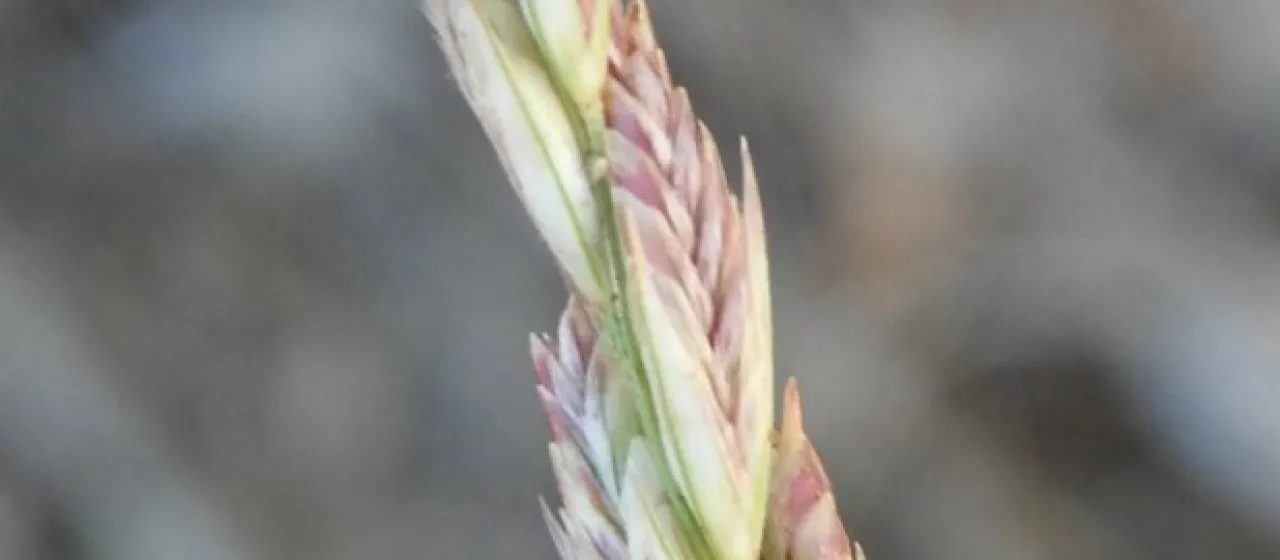
Description
Helictotrichon elongatum is a perennial grass belonging to the Poaceae family. This species is recognized for its robust growth habit and ecological significance in high-altitude environments, where it serves as a reliable component of natural grasslands and pastoral ecosystems.
The native range of this species is primarily associated with high-elevation regions and temperate climate zones, particularly within the African continent. Its natural adaptation to harsh alpine conditions makes it a resilient plant capable of thriving in environments where other agricultural grasses struggle to survive due to temperature fluctuations.
Botanically, the plant is characterized by its dense tuft formation and upright culms. The leaves are typically narrow and fibrous, an adaptation designed to cope with intensive sunlight and periodic water stress. The root system is deep and fibrous, which is essential for nutrient uptake and soil structure preservation in rugged terrain.
Agronomically, Helictotrichon elongatum requires well-drained soils and thrives in environments with moderate humidity. It is highly valued for its ability to withstand grazing pressure and its capacity to regrow effectively after harvest. Proper management involves periodic light fertilization and the prevention of overgrazing during the active growth phase.
The primary utility of this grass includes:
- Forage production for livestock, providing essential nutrients;
- Soil conservation and erosion control on sloped farmlands;
- Incorporation into sustainable pasture management programs;
- Providing high-quality biomass in mountain agriculture.
In terms of plant health, the species exhibits natural resistance to several common grass pathogens. While it is generally robust, monitoring for insect pests—particularly during the early developmental stages—is recommended. Due to its inherent hardiness, it remains a low-input crop suitable for extensive agricultural systems and land restoration projects.